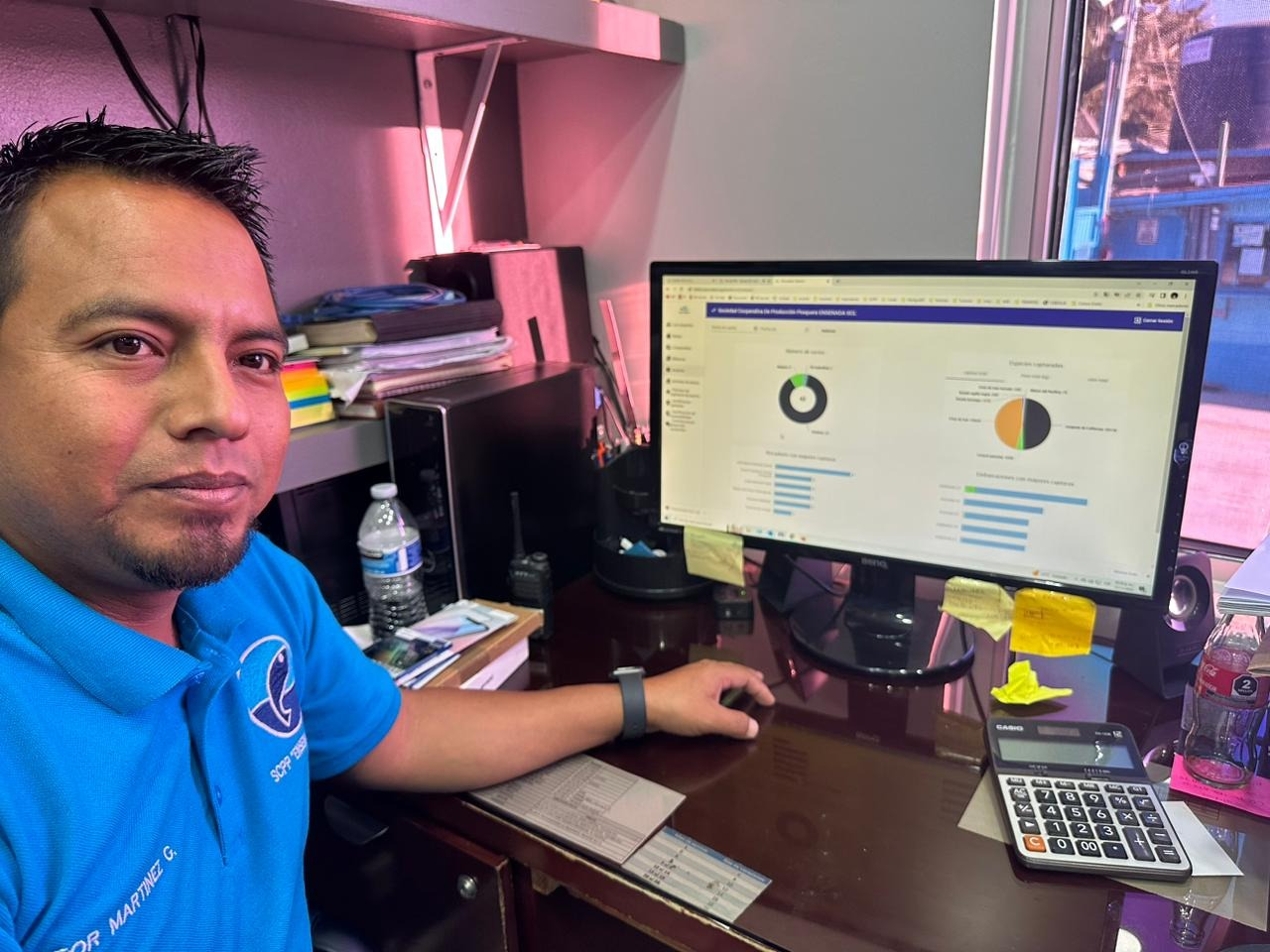
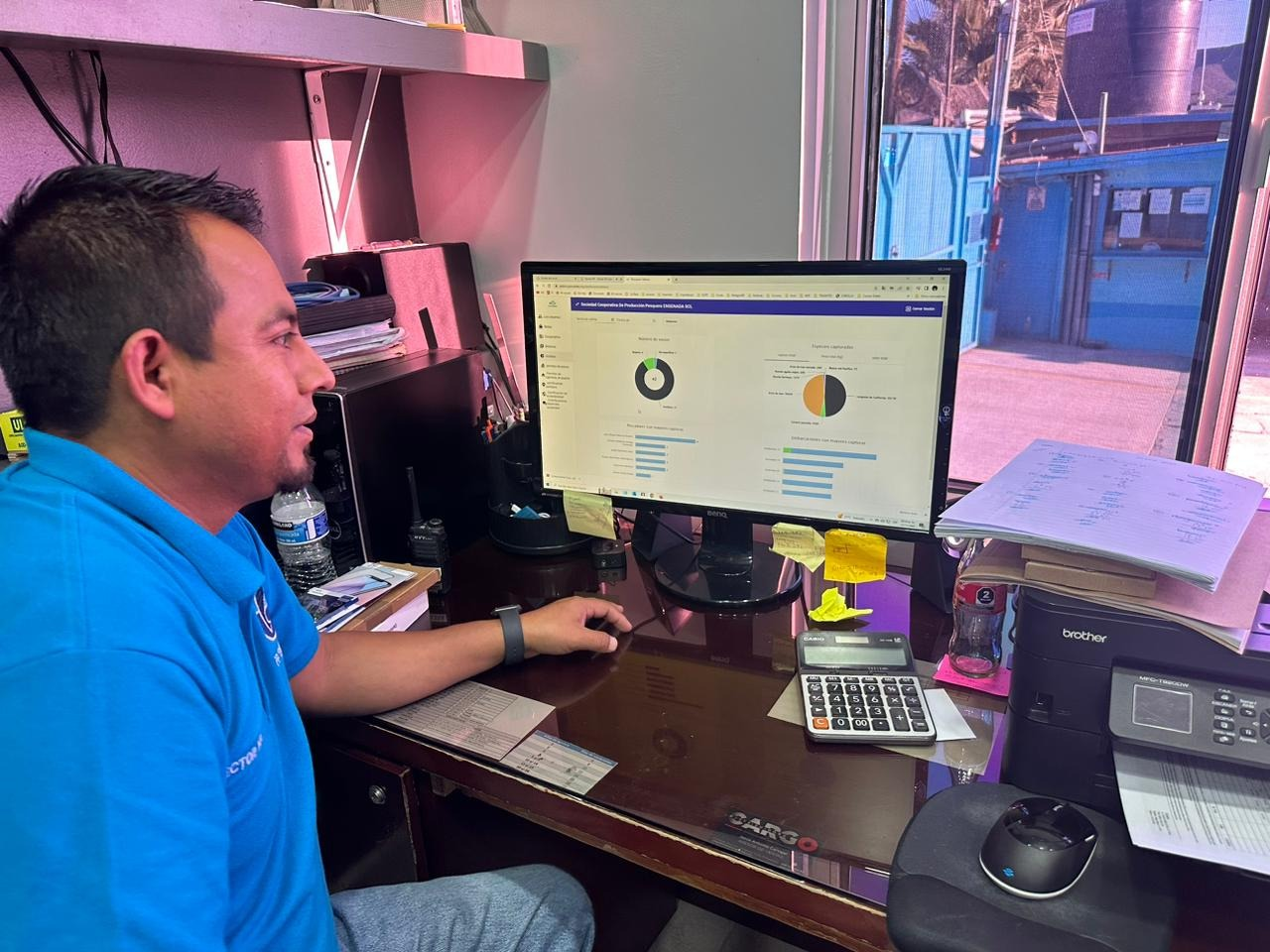
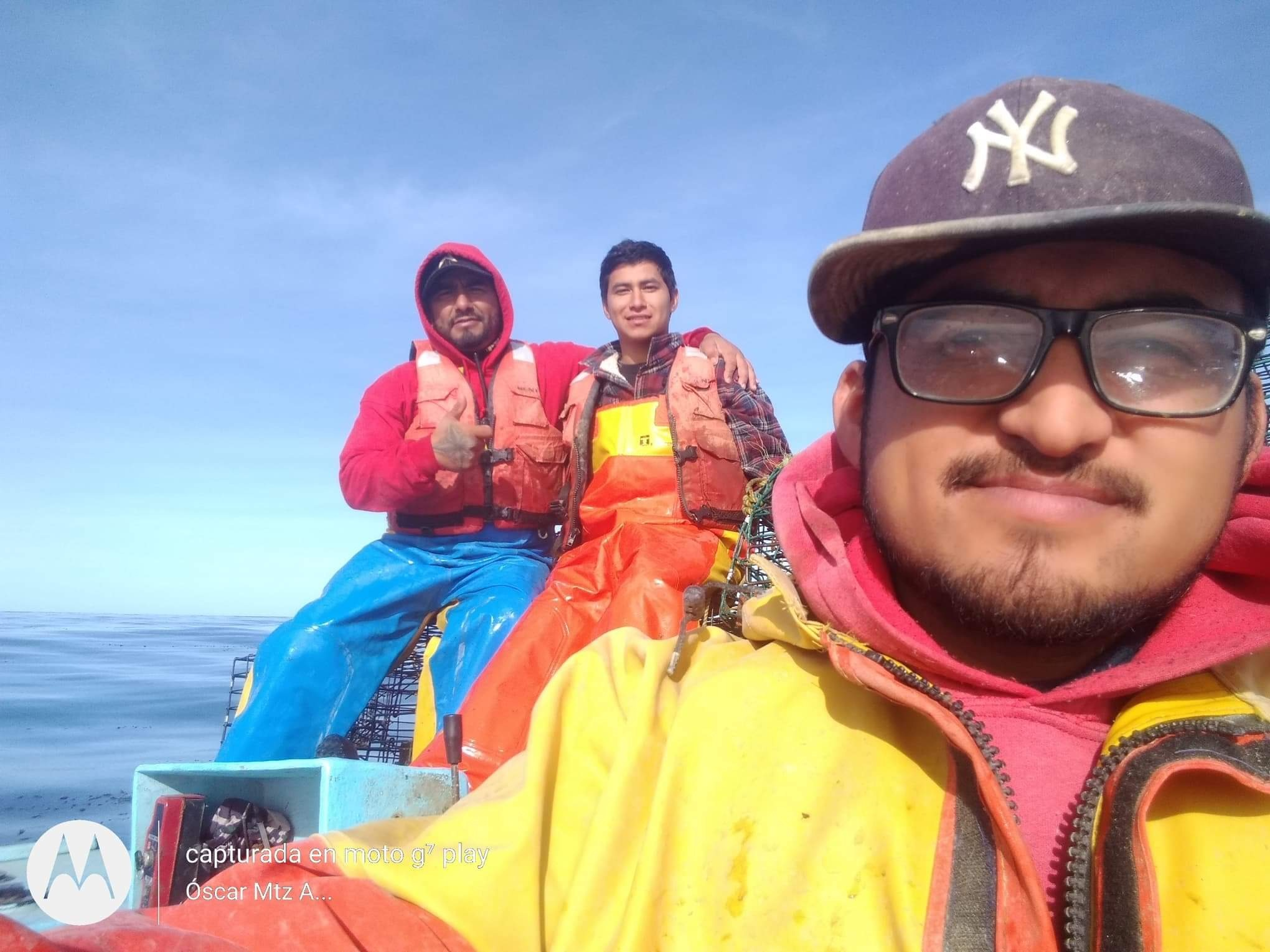
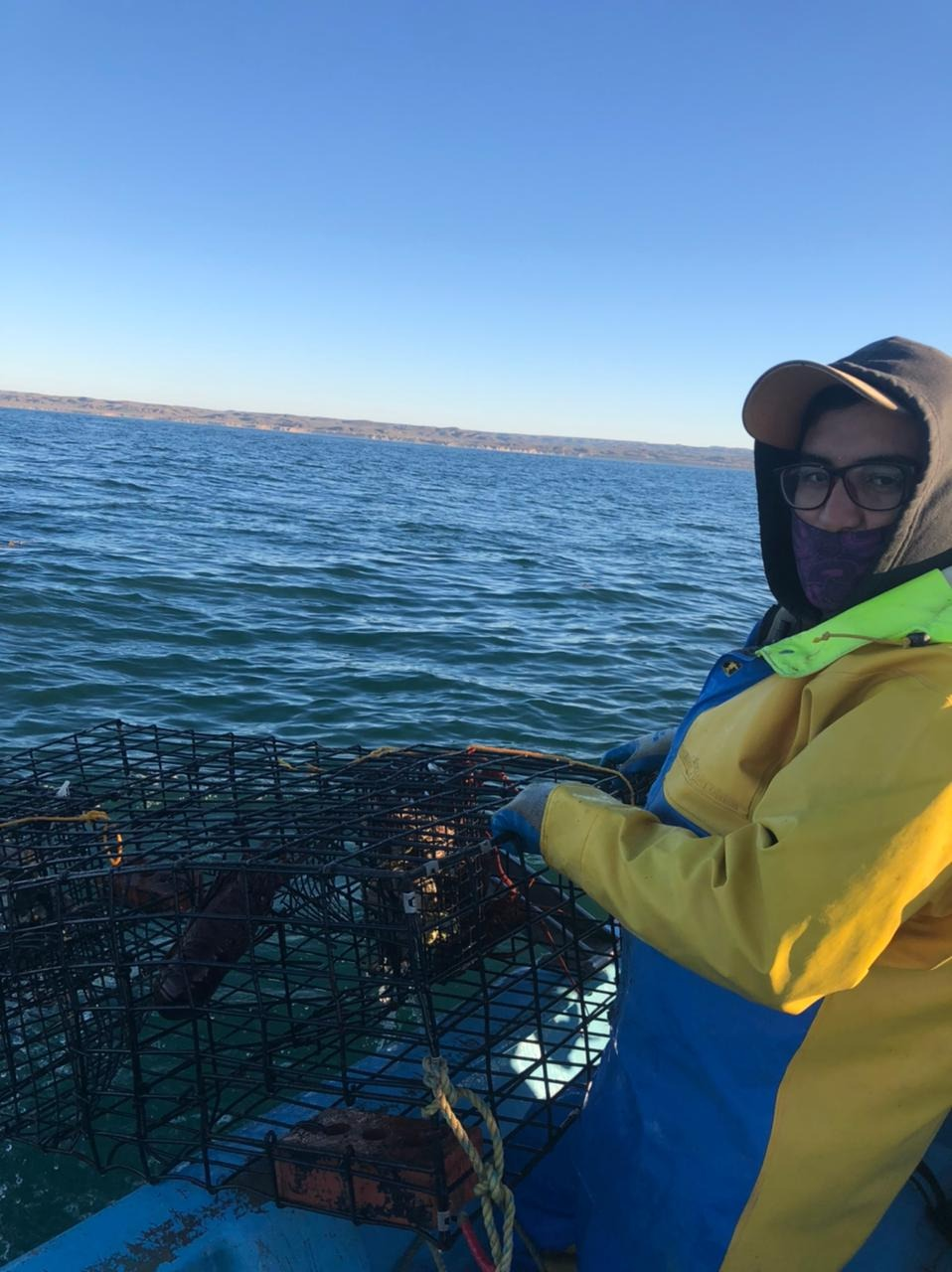
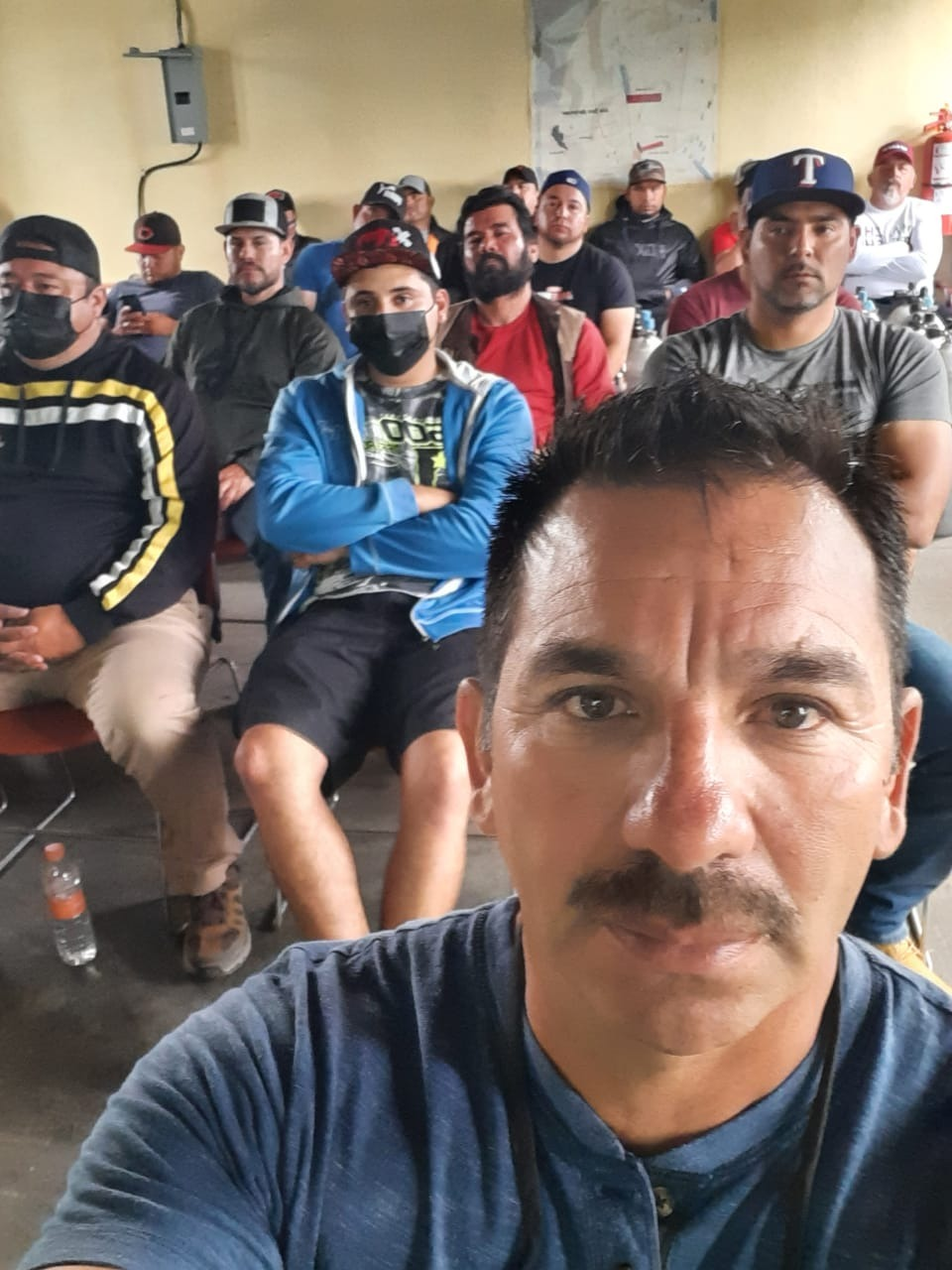
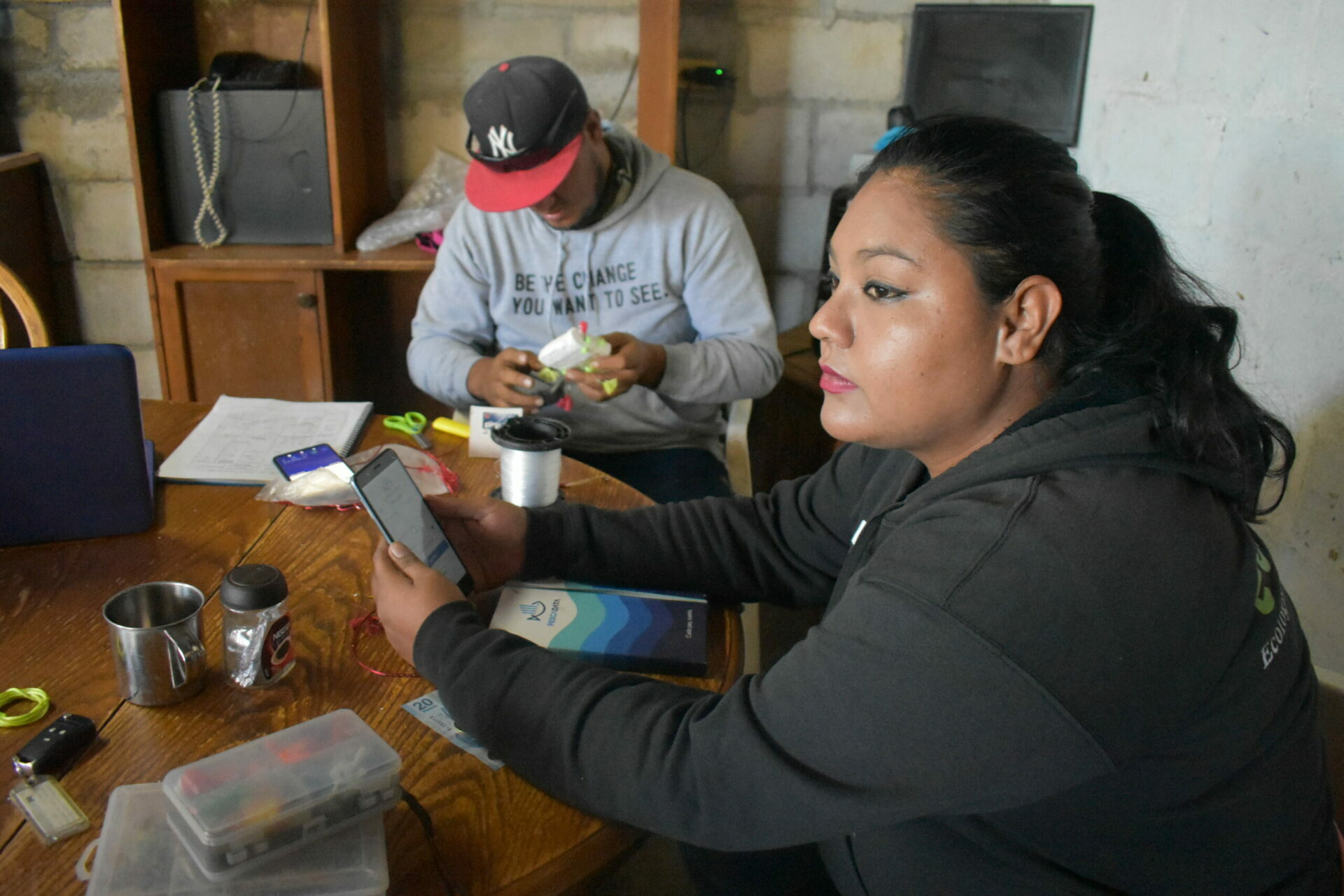
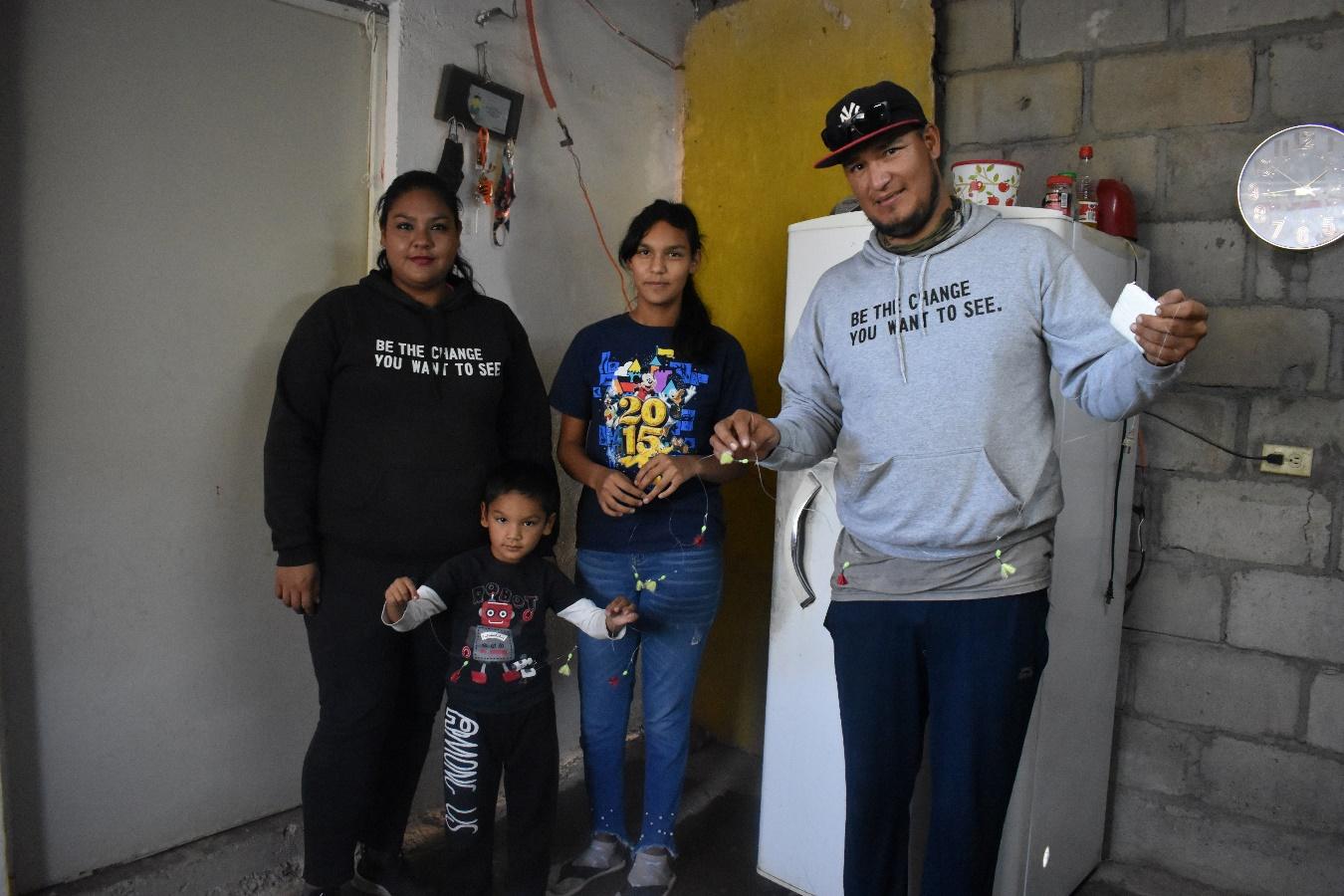
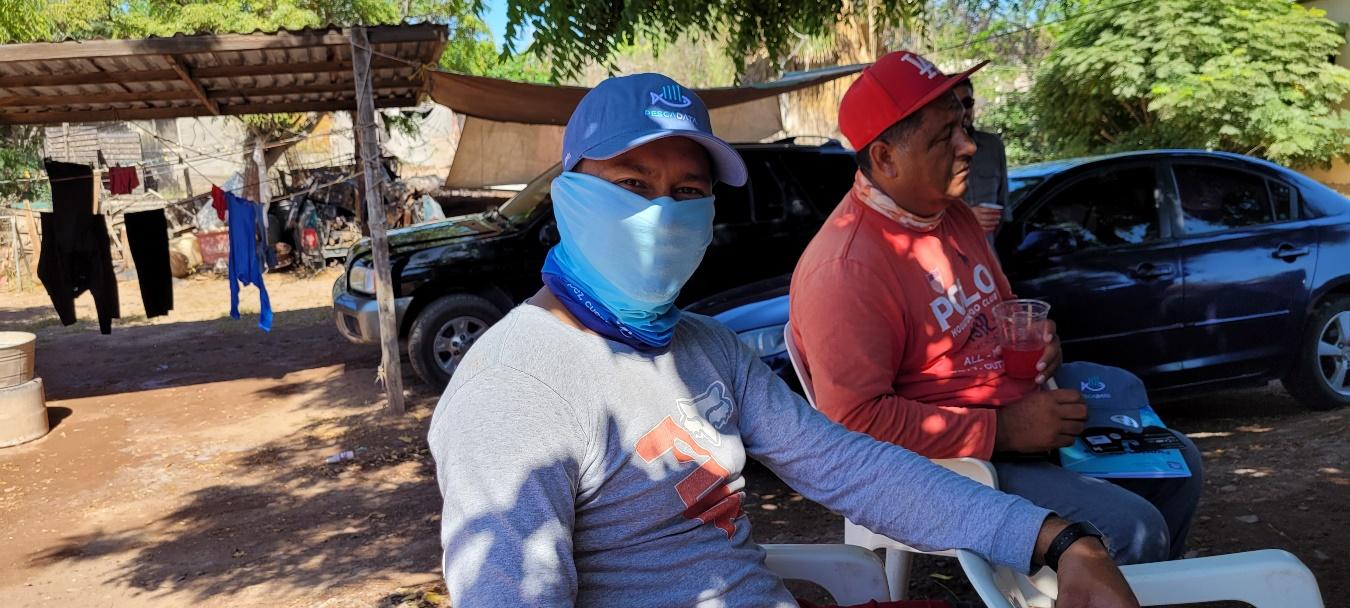
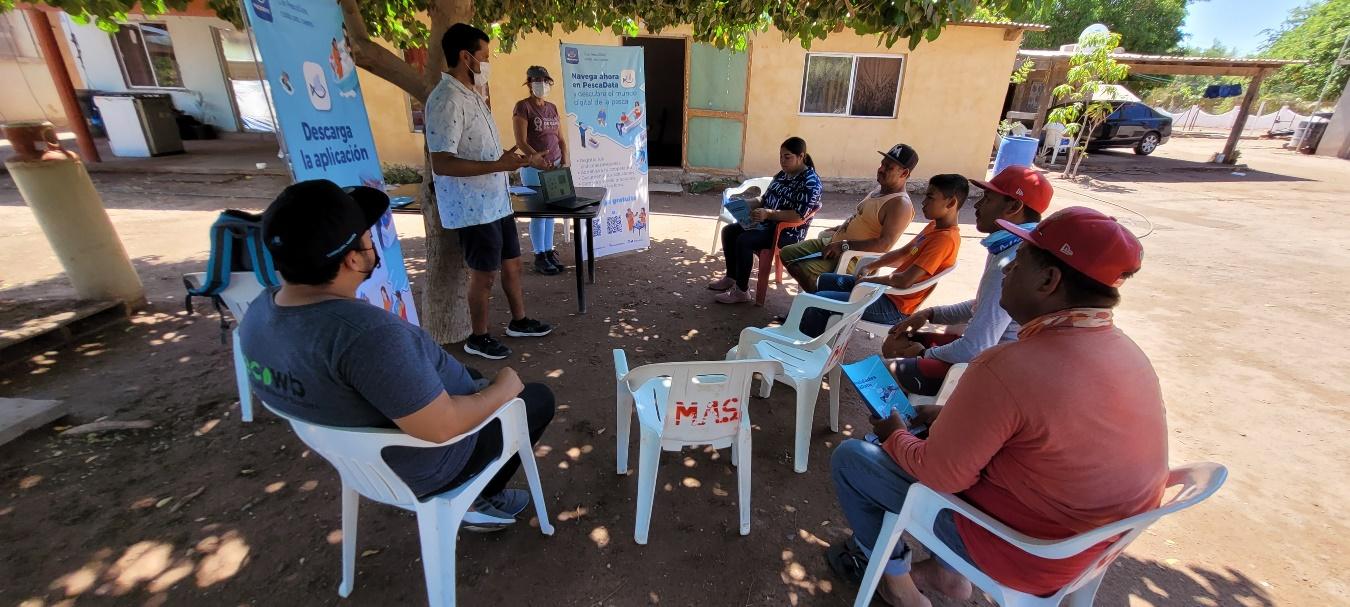
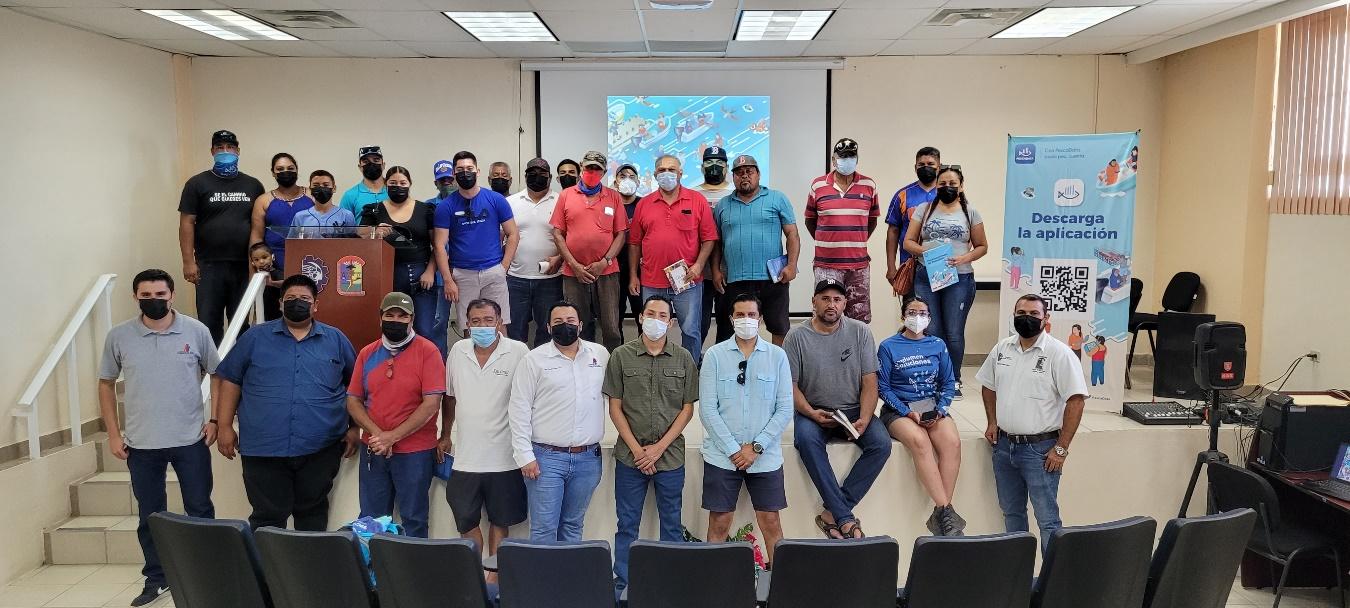
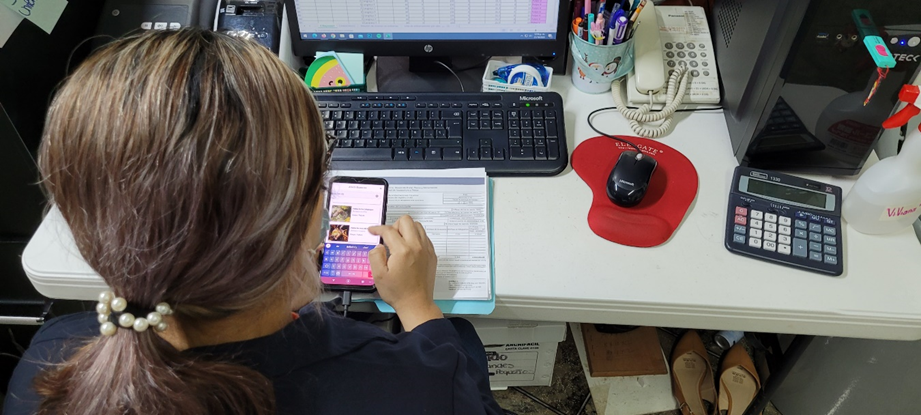
It is important to note that both Oscar and the other 37 fishers responsible for filling out the logs were trained by Hector Martinez and PescaData staff to use the application. “It is a sheet of paper that covers 15 days. I have to write where you go, at what depth, how much I caught, how the weather was.” Every third day, he recorded the information in the PescaData application. Each species is filled in with both its scientific name and its colloquial name, and if not, there is also a picture.” Here there is no margin for error, the data is more accurate,” Carlos says. To help achieve an increase in work performance and prevent leaving anyone behind, the adoption of PescaData by the young people of the S.C.P.P. Ensenada has facilitated use of the application. Perceived ease of use was identified. Above all, the infrastructure of the application was vital to meet the fishers’ needs.
The traditional and technological knowledge of fishing has always gone hand in hand. Now, with GPS, it is much easier to have a weather forecast and to know if it is good to go fishing 4 or 5 days in advance. Oscar argues for the importance of technology, but also of traditional practices that are still latent. These “mañas,” as he describes them, are accompanied by empirical knowledge that has been passed down from generation to generation. “One can be guided with the pure hills. This was taught to me by the people who are older, who did not have the technology that we have now. For example, there is a hill that has a white stripe and we all know it as “El Rayado.” From “Rayado,” down you go locating, the people and we ourselves name them. For example, when the north hits here, it dries your lips a lot, because that kind of air is dry. So when it is hitting you, your dry lips tell you the direction of north. And when the seagulls are flying at a certain height, you know there is going to be wind.” In other words, the fishers’ experiences and observations of the environment have helped them to forecast the weather in order to go out fishing responsibly.
There are different social, political, economic, and especially technological changes that have led to the promotion of scientific development for coastal communities. Over the years, we have observed great technological transformations and their impact on fishing. From the S.C.P.P. Ensenada, the use of technology and digitalization has always been for the better, as mentioned by Miguel Bracamontes, fisherman, diver, and current representative of aquaculture in the S.C.P.P. Ensenada. “In the 1980s, the first device we used for fishing was a compass. Then, we started to use digital watches to mark the time we were navigating, and with the compass we calculated the courses or the reference points we were going to touch. Then in 1992–1993, the two-meter communication radios arrived, and we felt we were able to be more efficient, and safe when out at sea. By the year 2000, digital radios with repeaters arrived, and everyone had a portable handheld radio—much safer than the two-meter radios.
Then GPS arrived and revolutionized fishing for better and for worse.” It all depends on how you use it, Miguel said. “It is a very useful tool, but it has been developed to determine marine points. After that, echo sounders came out, and fishers started to use echo sounders when fishing for flake. Other technologies began to arrive; the telephone arrived, and it already had calls, coordinates, and a camera. They are very safe things, so nowadays almost everybody communicates with their cell phones. Now we even have PescaData with COBI, and the fishermen can do the logbook with their phones”.