




Protecting Mangroves Is Protecting Life
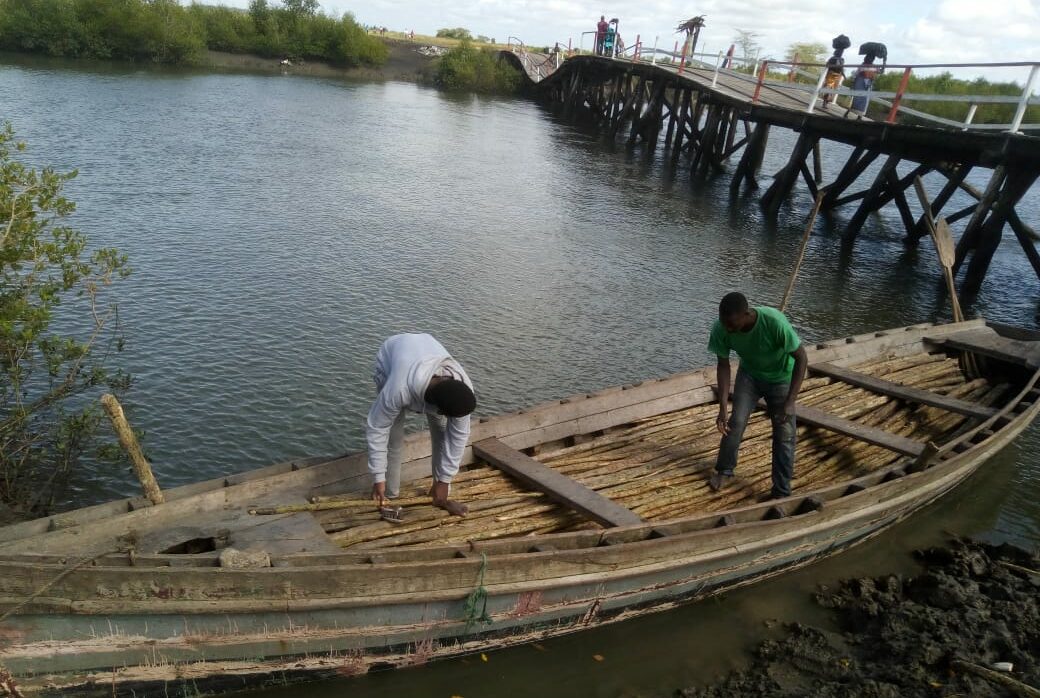
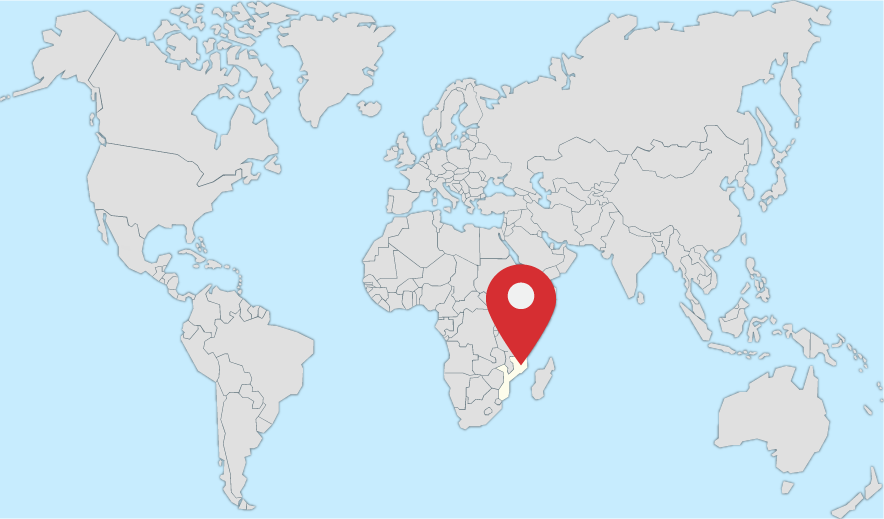
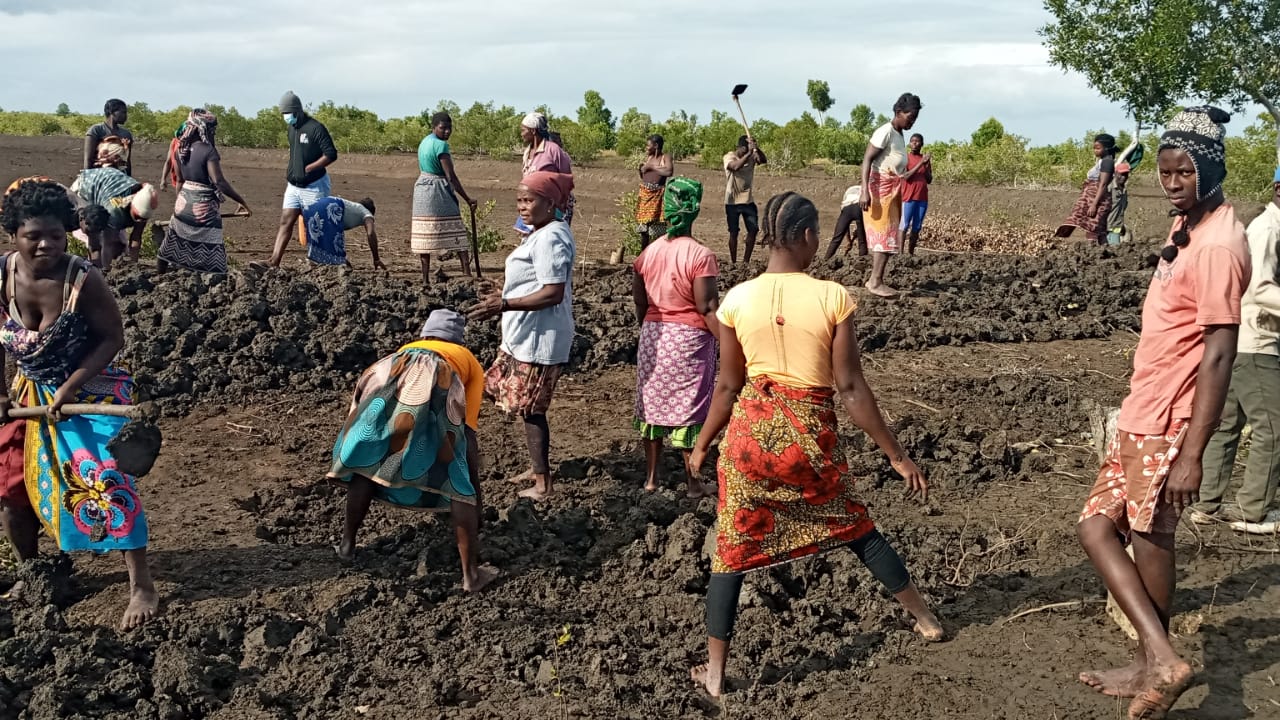
The bright sun accompanies the fishers in the warm dawns of Zambézia province. In these communities, the tasks are well divided; the fishermen embark with their nets to the Bons Sinais Estuary in search of seafood, and their wives and children take care of the house and other commercial activities.
Back on land, part of the fish caught is sold in the local market, and the remainder is used for the fishers’ own sustenance. People in these areas are intrinsically linked to the sea and dependent on this resource.
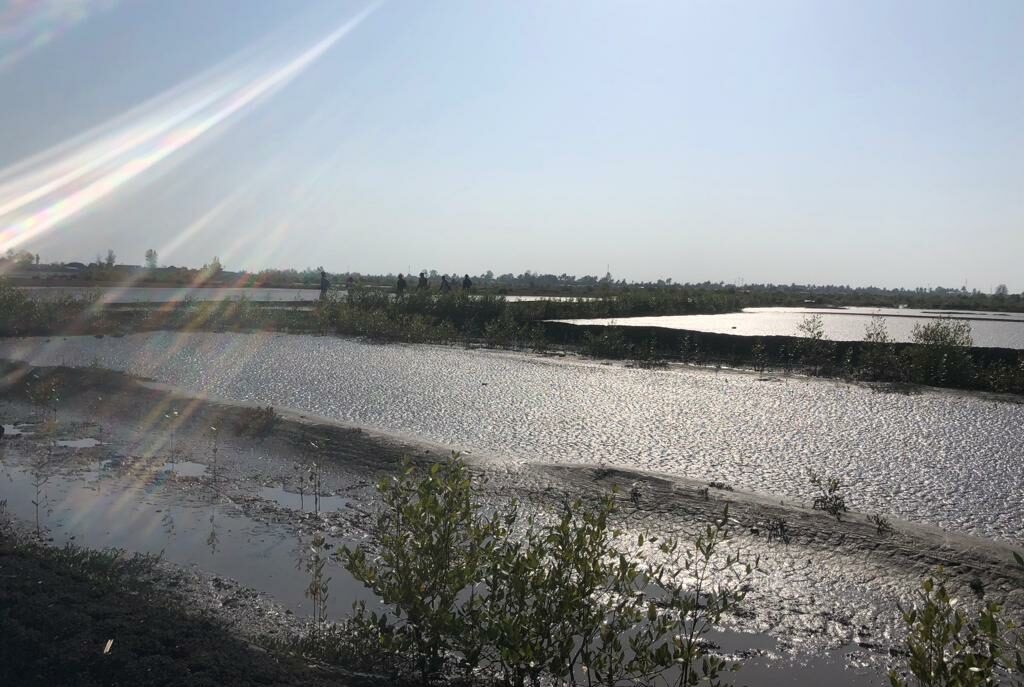
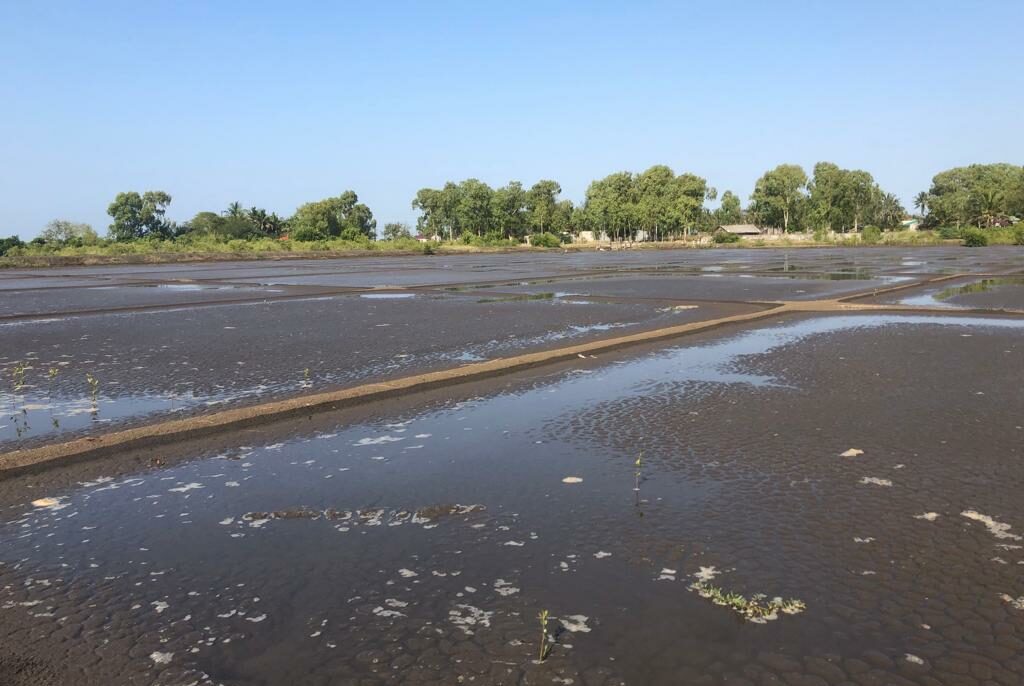
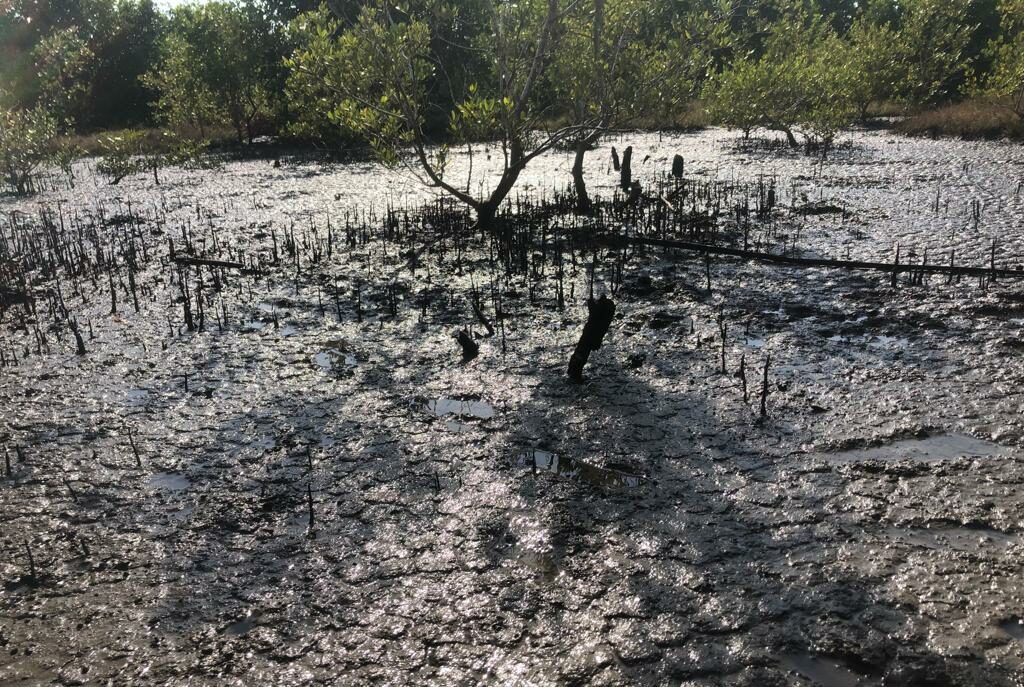
The fishers say fishing was once profitable, but now things are difficult. It is known that the success of fishing, which brought happiness and community well-being, was tied to healthy and abundant mangrove forests.
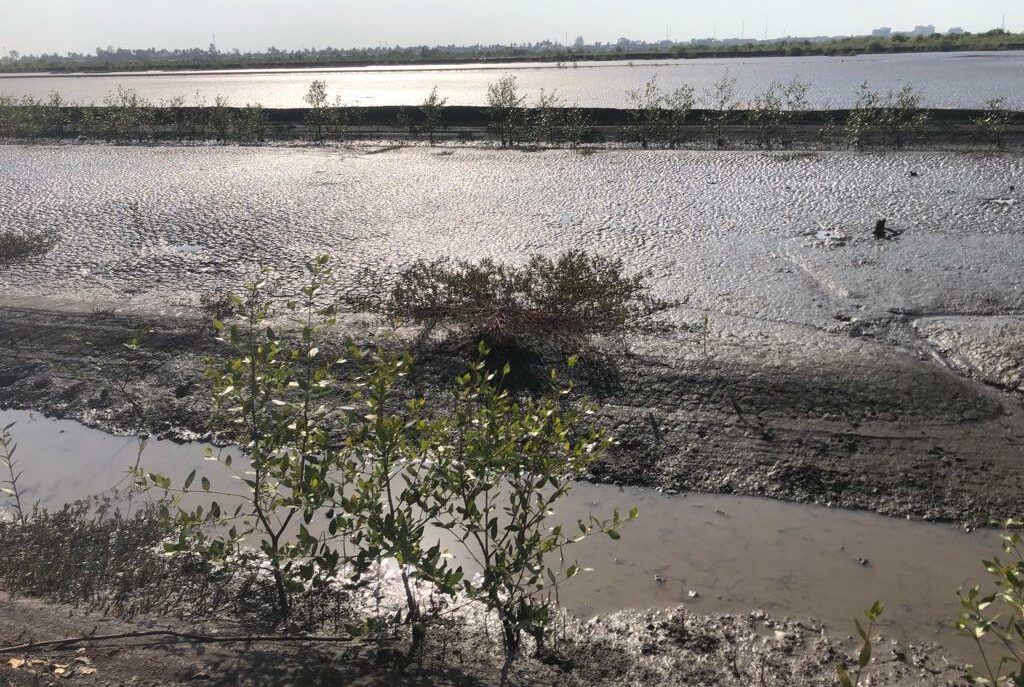
Mangroves are coastal forests typical of tropical zones that contain rich biodiversity, provide food and essential services, and protect coastal communities from extreme events such as tropical cyclones and sea level rise. In addition, they serve as fish nurseries. Recent studies in Mozambique and globally have shown their importance in combating climate change. They capture five times more CO2 than does the average forest, provide unprecedented benefits, and are a key element in marine conservation.
![[Click the arrow to the right to scroll through the slideshow]](https://lexiconoffood.com/wp-content/uploads/2023/03/carousel_IVALDO.png)
![[Click the arrow to the right to scroll through the slideshow]](https://lexiconoffood.com/wp-content/uploads/2023/03/ivaldo-carousel-3.png)