




Shota and Kamiibano Taro
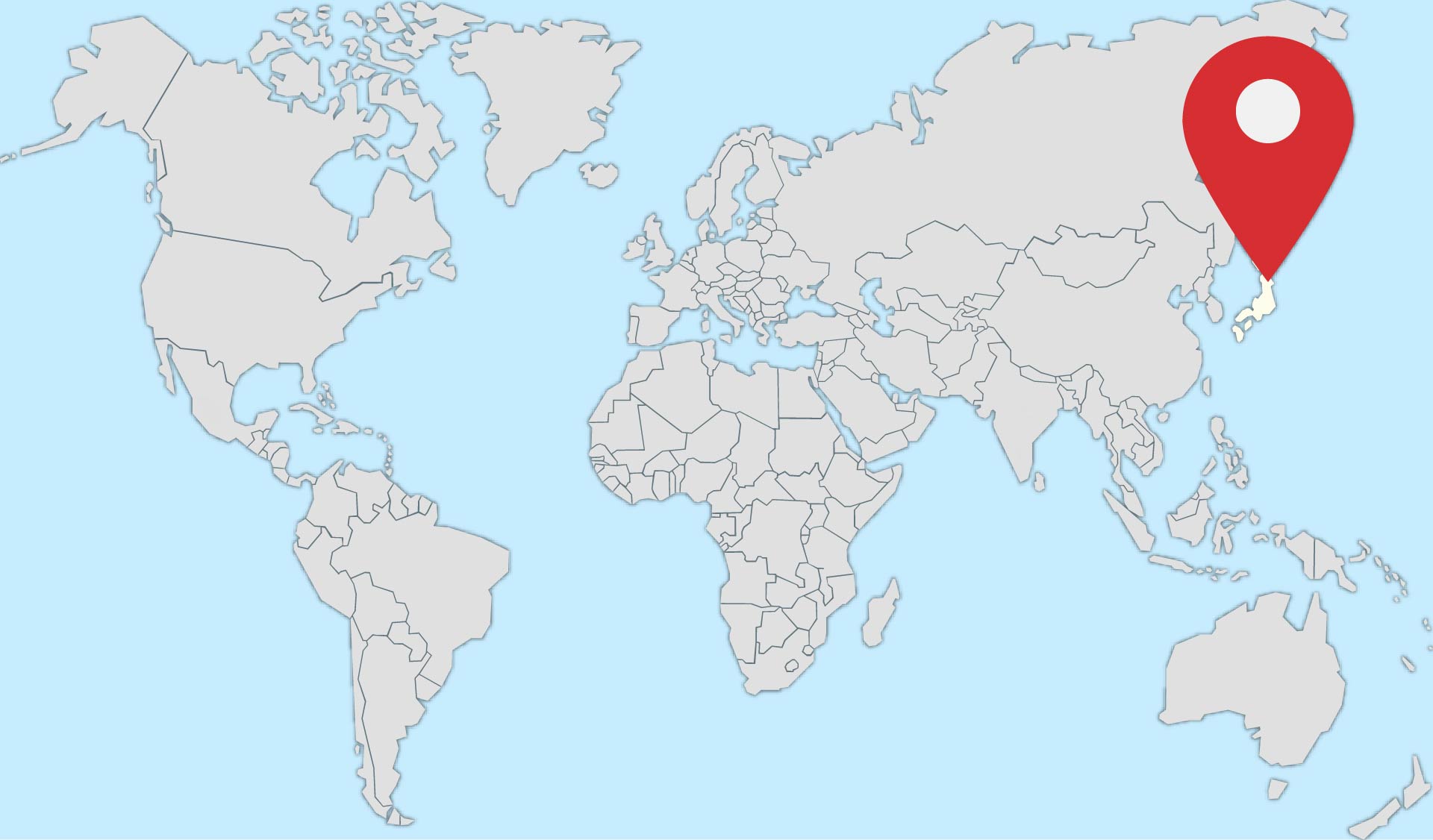
Shota Fukuda, a young farmer, strives to grow a traditional taro variety called Kamiibano Satoimo in Osaki, Miyagi prefecture – in the Osaki Koudo region, recognized by GIAHS (Globally Important Agricultural Heritage Systems). The GIAHS was established by FAO (The Food and Agriculture Organization of the United Nations) to pass on land use patterns, technologies, cultural customs, and biodiversity nurtured and maintained by traditional agriculture, forestry, and fisheries to future generations. Currently, thirteen districts are registered under GIAHS in Japan, Osaki Koudo being one of them.
The kamiibano is an indigenous variety of taro, slightly smaller than normal taro and held up by a red stem. It requires special attention in planting and grows in a two-year cycle. Neglected by scientists and breeders, this taro variety is susceptible to illness and is difficult to grow. Additionally, without nutritional information available, many farmers in the region have shifted to growing remunerative and less labor-intensive crops.
For Shota, taro is not simply a crop; it is family. Since 2014, Shota has tried his best to keep this delicious and rare taro variety alive, not just for its taste, but to preserve the invaluable heritage of the region in which he grew up.