Writer, Photographer

Writer, Photographer
Associate Director @ The Lexicon

Foraging uncultivated greens is a tradition woven through the fabric of India’s food system. Changes in land use, agricultural practices, and lifestyles have slowly led to its decline. The sudden disappearance of systems that carry these traditional practices threatens to erase generations of knowledge that support local biodiversity and food culture. Sarjapura Curries has championed these foraging practices, unraveling the layers that make up this complex tradition of uncultivated greens.
It was ten years ago on a hot summer afternoon in Telangana when Satyamma, my mentor, took me to gather gangabai kura or purslane (Portulaca oleracea), which she later cooked into a delicious lentil curry with millet bread. As I ate, I noticed the succulent leaves of the gangabai kura melting into the lentils, imparting a slightly tangy flavor. As she foraged greens under the scorching heat, I vividly remember Satyamma’s description of traditional summer menus showcasing gangabai kura‘s ability to cool the body. It was my first time eating greens that I knew as weeds. This marked the beginning of my journey to forage for the many cousins of these uncultivated greens.
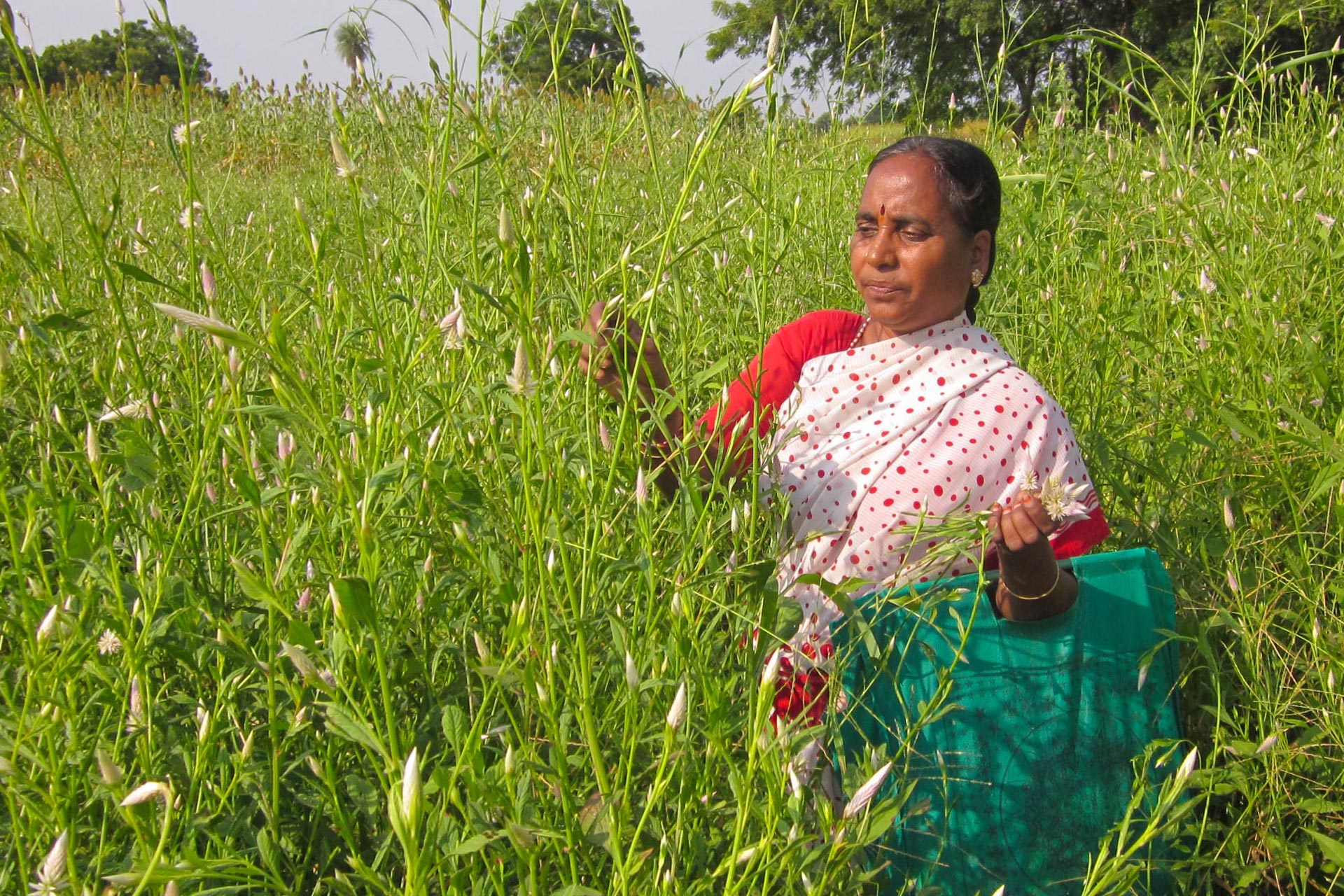
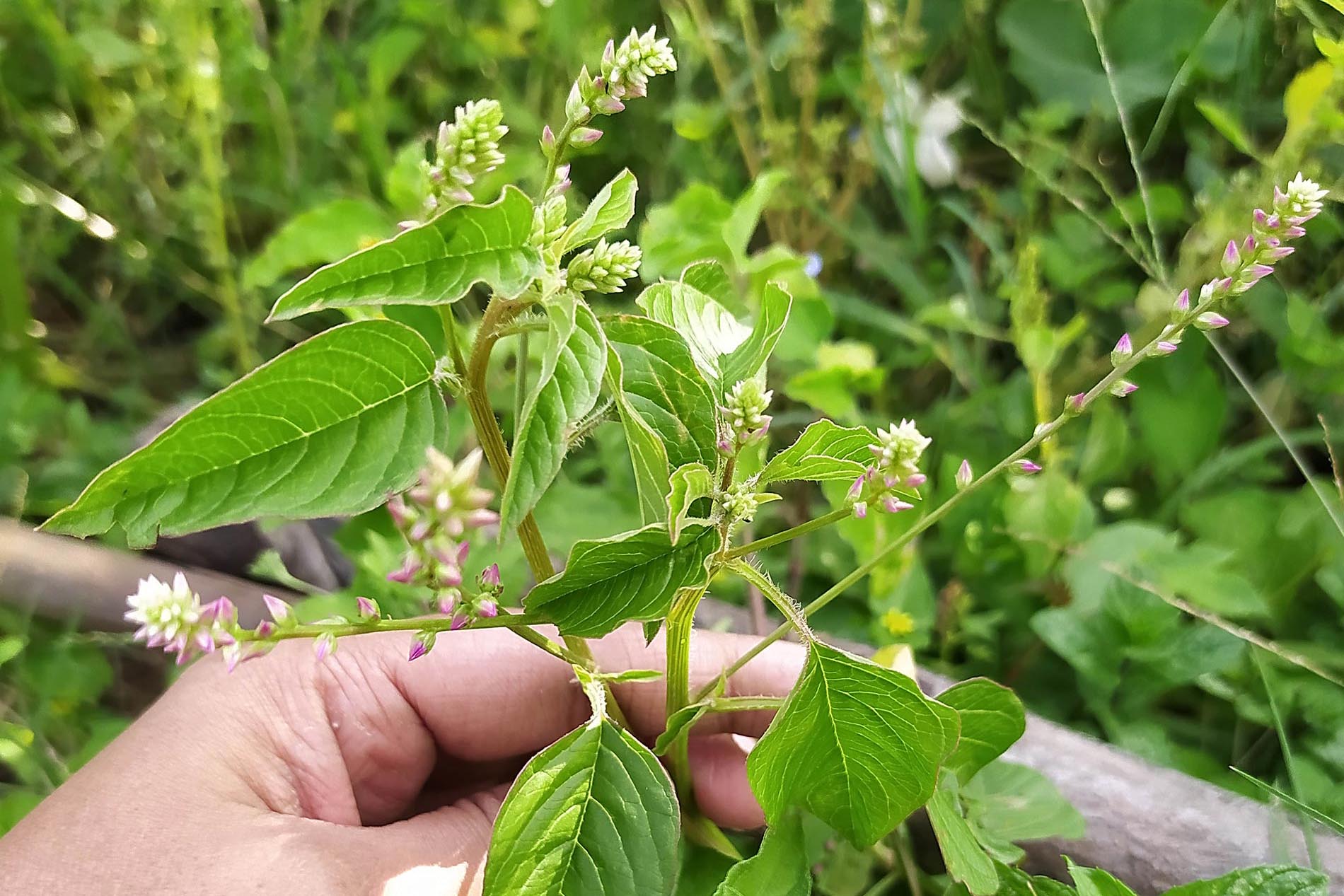
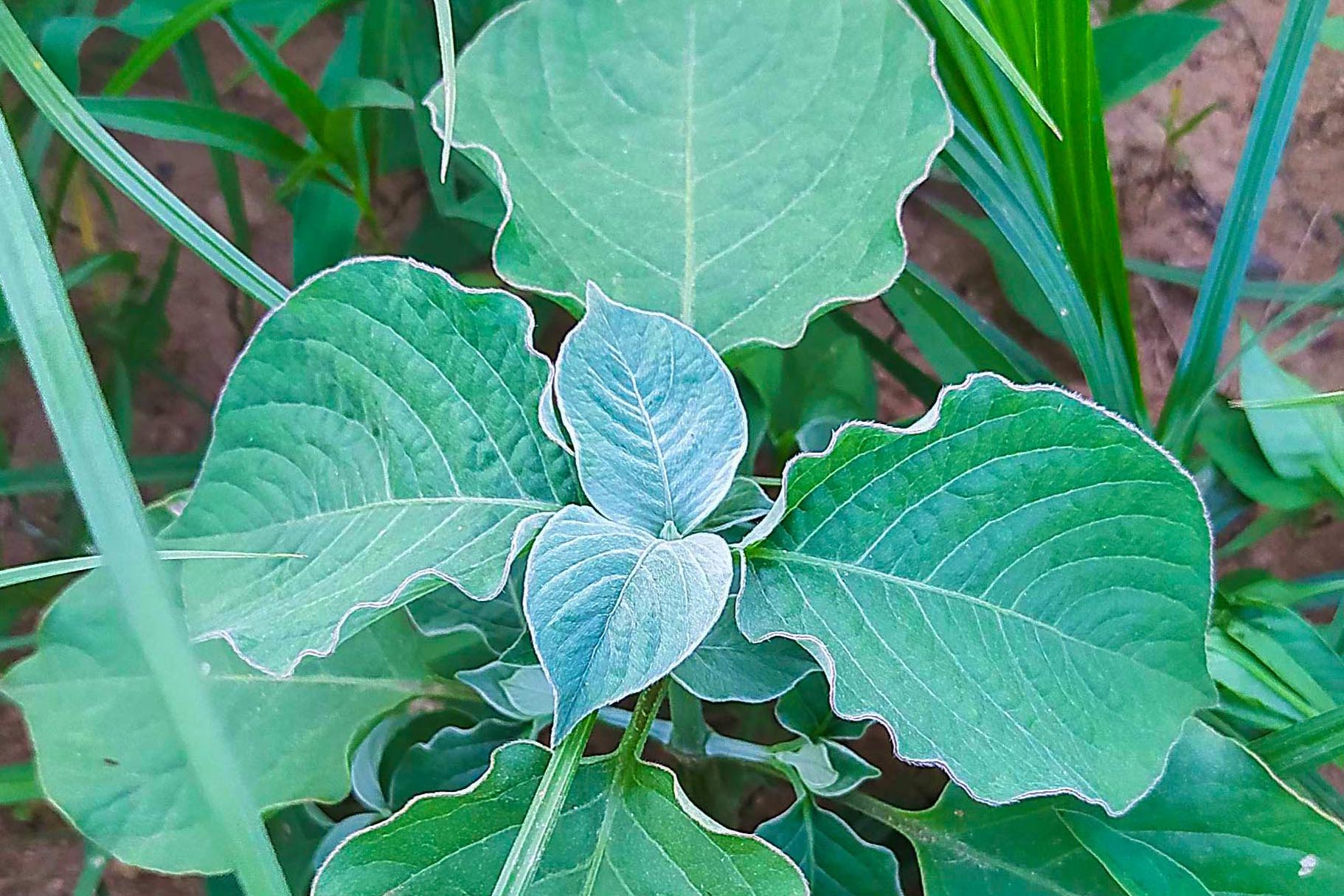
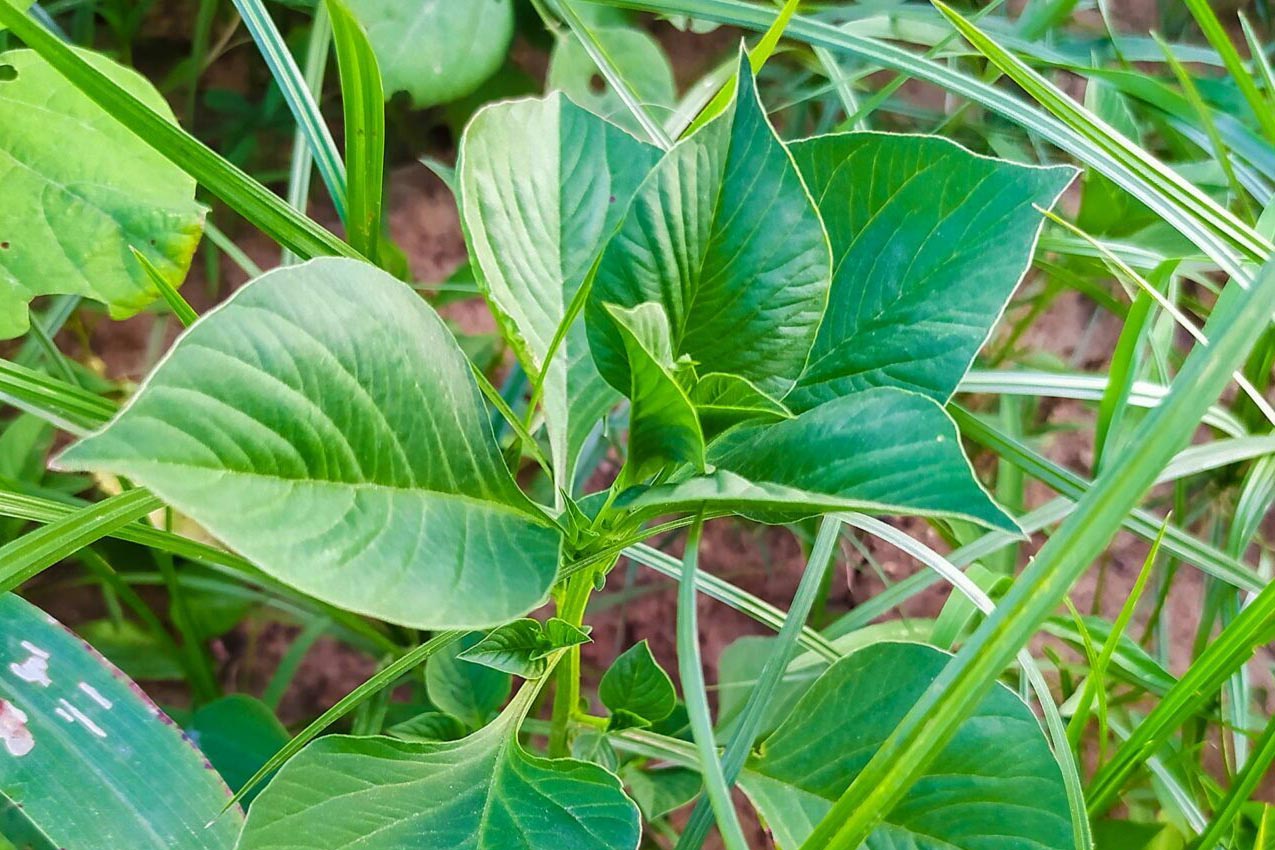
Ten years later, I was standing in Sarjapura. Surrounded by buildings and high-tech farms, Sharda Teacher and Suresh were foraging for anne soppu or cockscomb (Celosia argentea), uttareni or devil’s horsewhip (Achyranthes Aspera), and chenchal koora (Digera muricata) from the ragi (finger millet, eleusine coracana). Every year from July to September, Sharda visits the ragi farm to forage for uncultivated greens. As Sharda forages, she generously shares knowledge about the various medicinal properties of the plants and their heirloom recipes. She adds her harvest to her sambar, a South-Indian lentil-based stew, or cooks berike soppu. As September arrives, the ragi grass grows taller, making the fields inaccessible. Like Sharda and Satyamma, many women in the Southern states of India practice foraging. Land-based food traditions are integral to their culture. Today, urbanization and conventional farming seriously threaten this age-old practice.
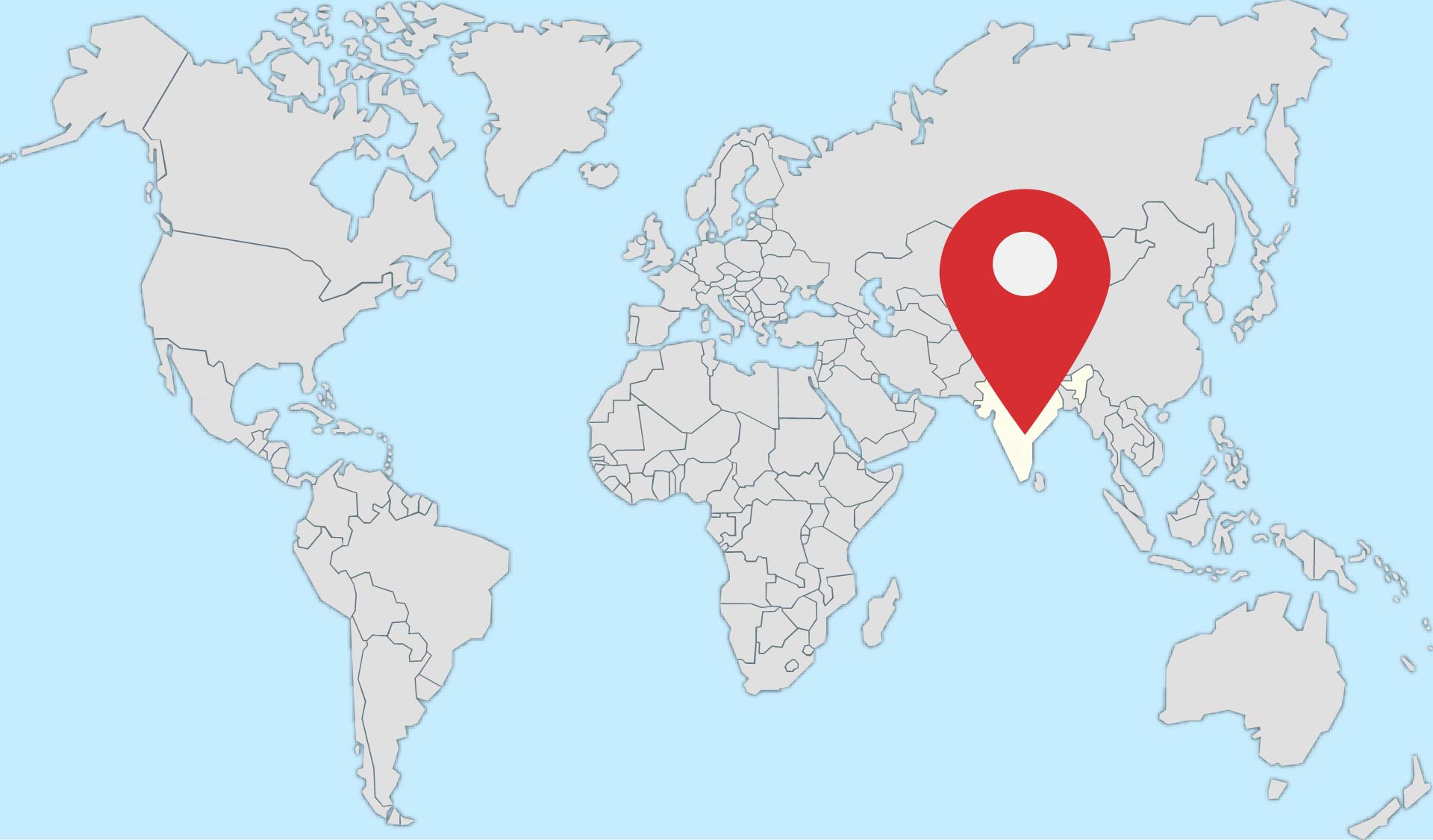
Sharda, along with other women near Sarjapura, are part of a local initiative run by Suresh, called Sarjapura Curries. The small border town of Sarjapura hosts a diversity of languages influenced by the surrounding states of Karnataka, Tamil Nadu, and Andhra Pradesh. Just twenty-three kilometers from Bangalore, South India’s fastest-growing city, Sarjapura has witnessed rampant urbanization in the last decade. As you travel towards Sarjapura, your eyes are met with an uncommon sight in the Indian landscape – the horizon of industrial complexes, dotted with lush green farmlands; the latter of which are disappearing. It is in this chaotic backdrop that Suresh is reawakening the tradition of foraging uncultivated greens.
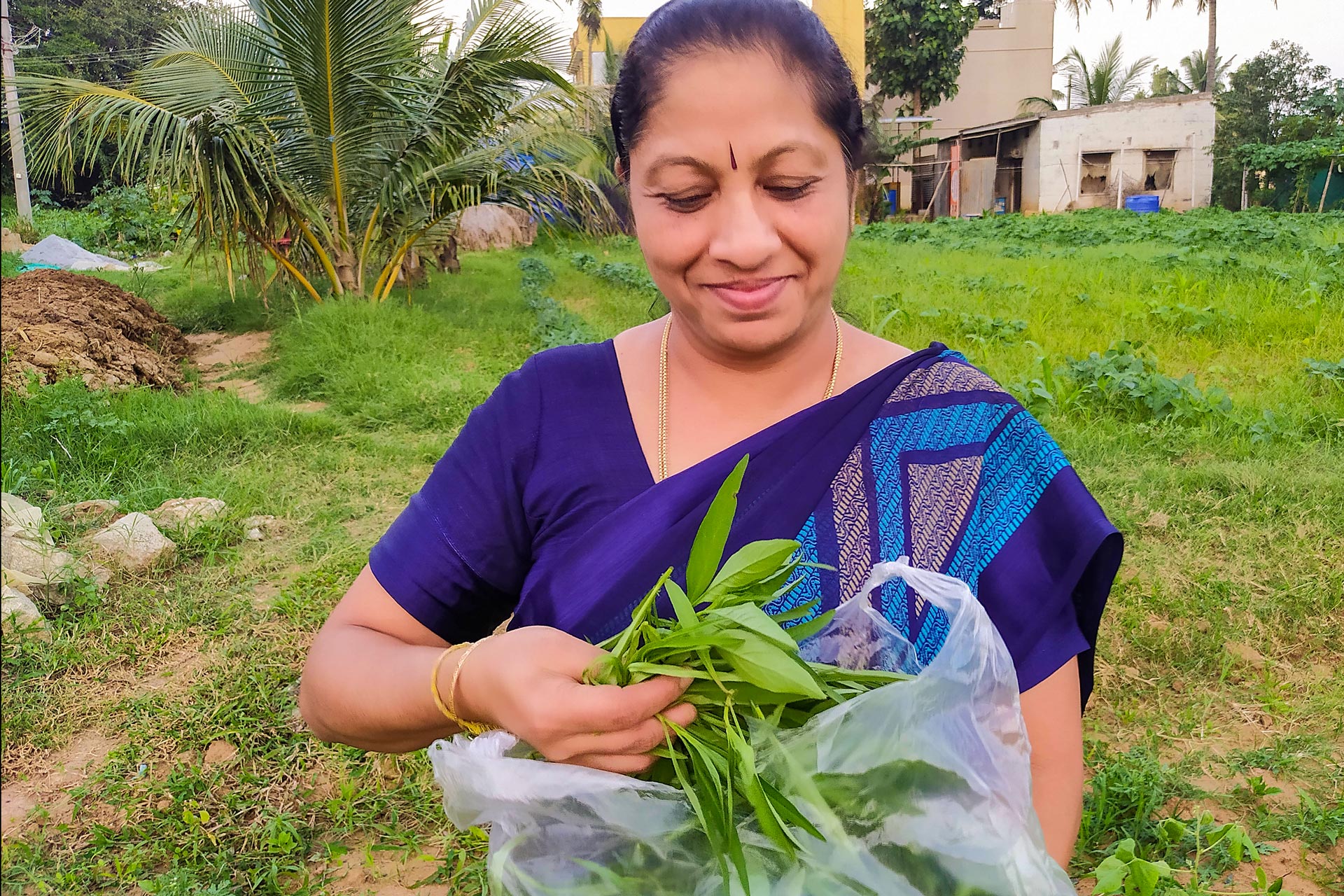
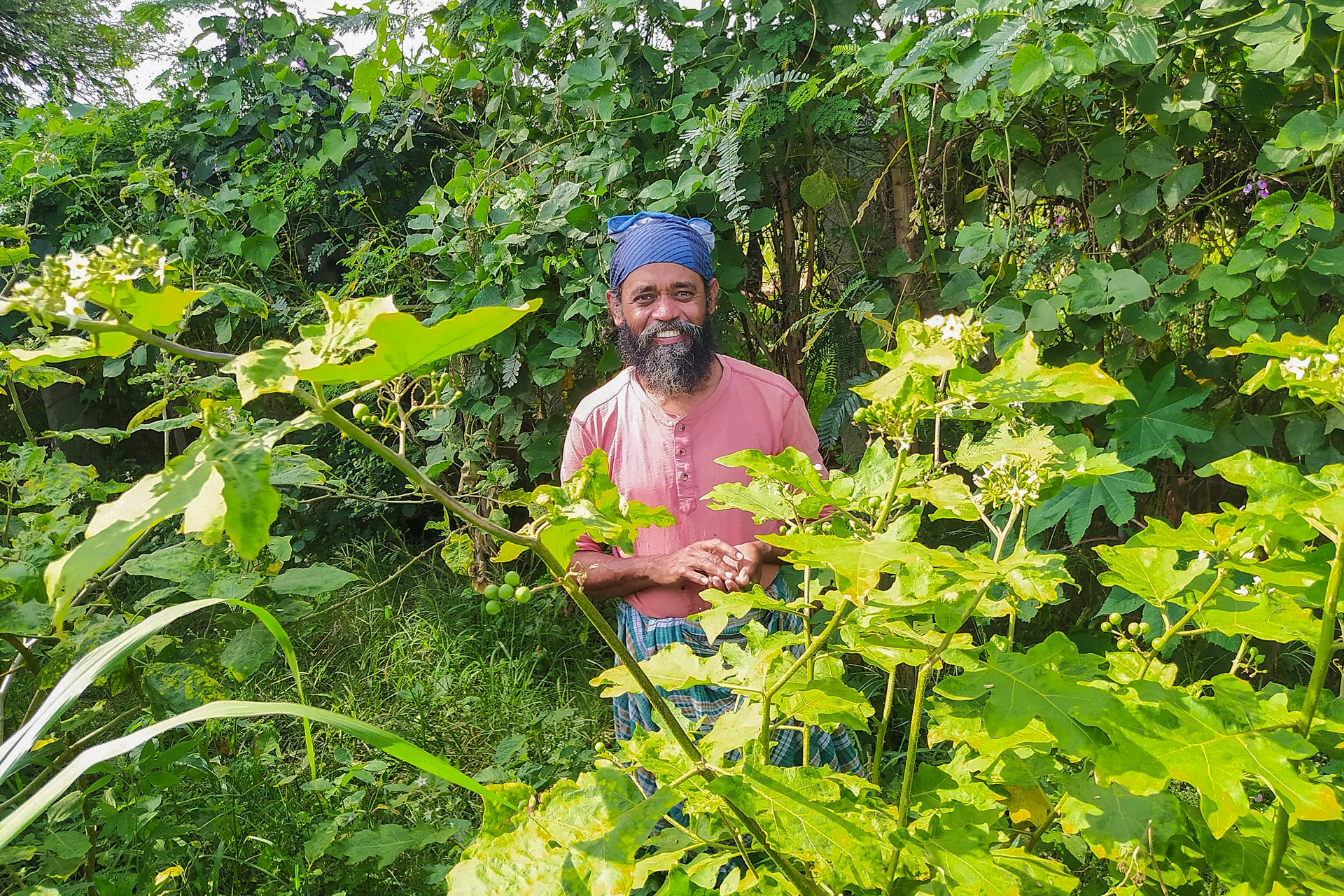
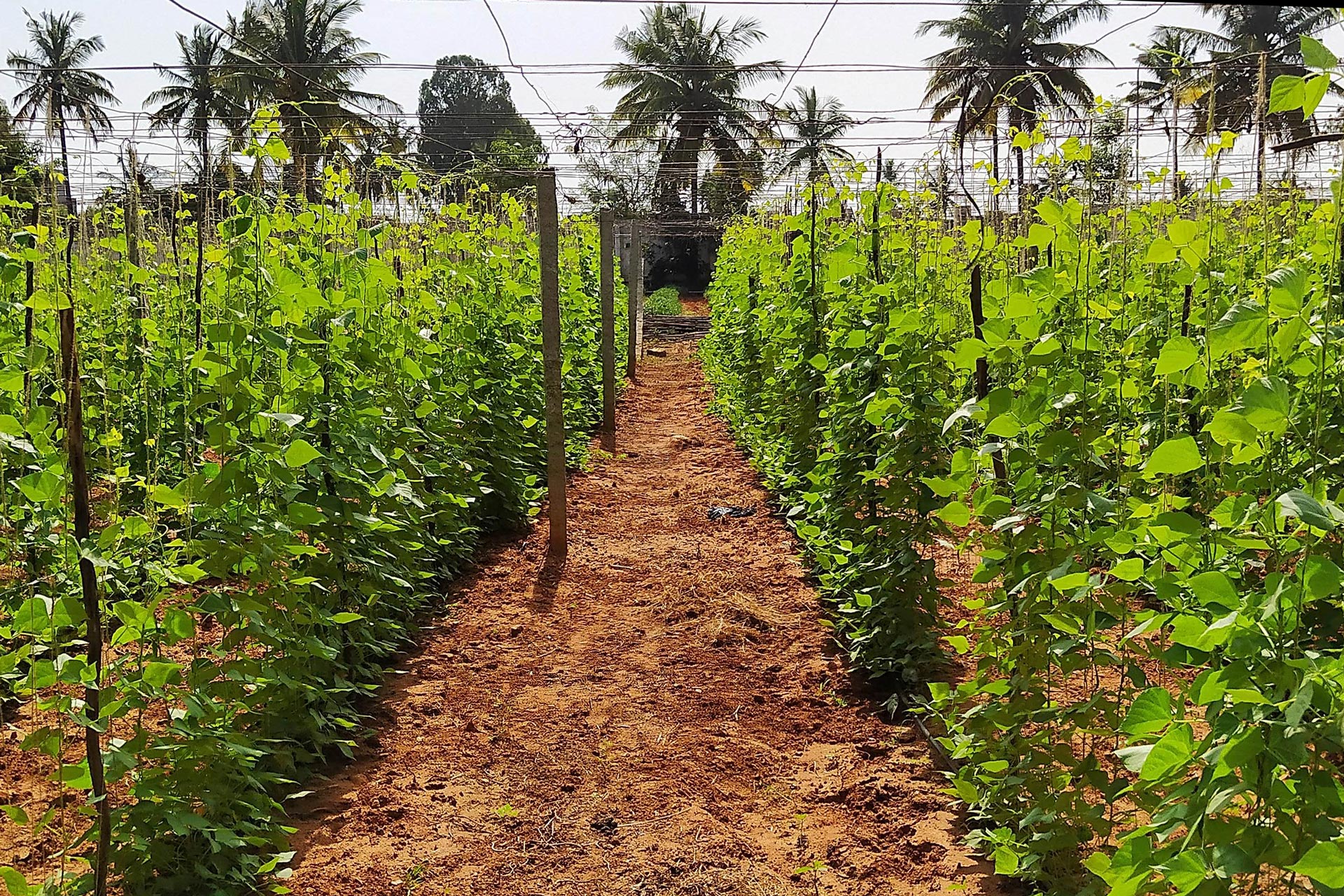
Sarjapura Curries began as a manifestation of various events in Suresh’s life. As a traveling artist, Suresh would return home to his daughter, who was often in poor health. As he looked for healthy foods to heal his daughter, the guilt of losing his late mother’s recipes of uncultivated greens led him to start Sarjapura Curries. Suresh had watched his community abandon harvesting and cooking uncultivated greens. He began Sarjapura Curries as an art project; involving his community (mostly women), with whom he began documenting and reviving foraging. Today, Suresh grows an acre of diverse native vegetables on rented land. In a landscape fraught with tall buildings and sterile flower, silkworm, and poultry farms, Suresh’s regenerative farm stands out as a dynamic organism. He has successfully returned to traditional integration farming and hosts a multitude of animals ranging from Kadaknath poultry to goats and rabbits.
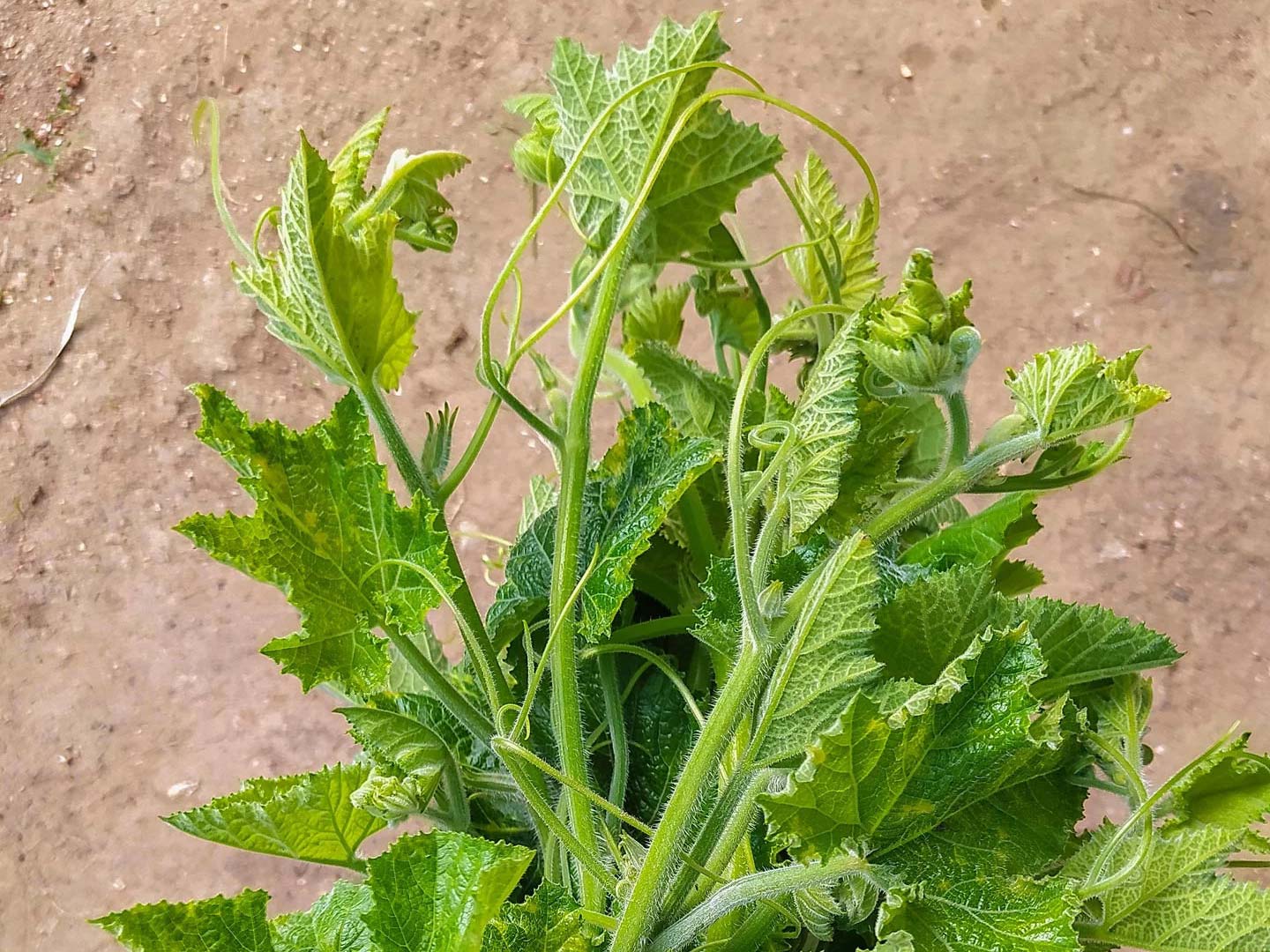
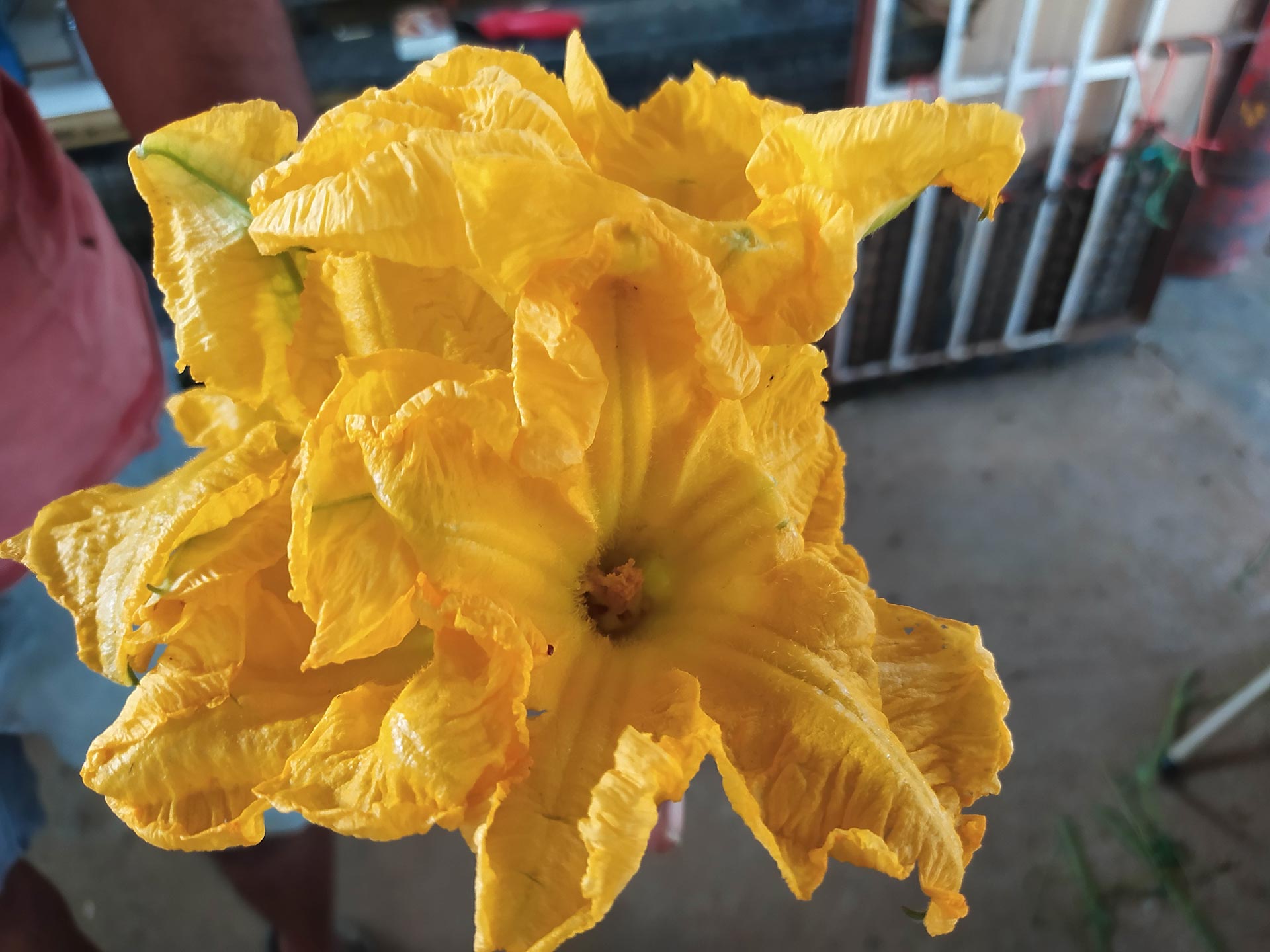
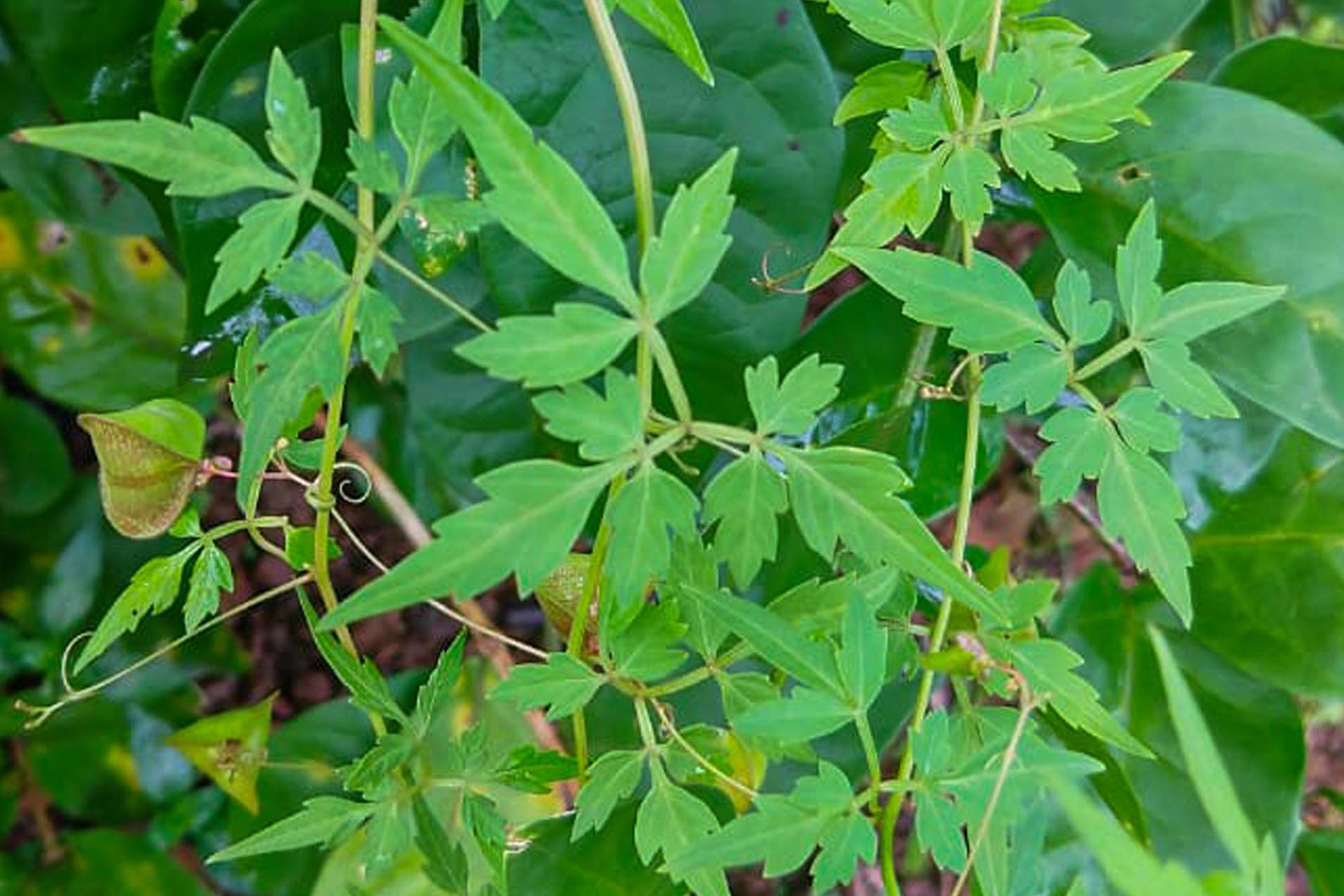
When COVID-19 struck India, Suresh began selling his organic produce to customers in Sarjapura and the nearby town Hosur. He offers mixed green bags at the price of thirty rupees. Its contents are uncultivated greens foraged daily from the farm, like the tender shoots and flowers of gourd vines. Pumpkin and bottle gourds create a vast canopy of vines from which he picks. Each bag is an attempt to re-introduce forgotten greens back into local food culture.
“Different communities who live around this region consumed these leaves. Foraged greens have always been part of the diet of the different communities living here. Today they have either forgotten about it or stopped eating it as it is no longer accessible. Tender gourd shoots and flowers require little tending and reduce my labor. I can focus on other aspects of developing the farm and sell these to keep me financially stable,” shares Suresh.
Sarjapura Curries began as a platform for uncultivated greens reawakening. Today, it practices regenerative agriculture, grows food as communal artwork, and supports local food systems. The region was well irrigated by the surrounding lakes despite the decreasing rates of rainfall. Nearby lakes and fallow land have been encroached upon by the real estate industry. These lakes are the lifeline of the region, providing water for traditional farms. A proposal from the Karnataka state government aims to rejuvenate these lakes with treated sewage water from Bangalore. The project has been well-received by local communities. Suresh, however, believes the project would be detrimental to traditional foraging. He claims that this is the natural cycle of the lake; such that it fills in the monsoon season and dries up in the summer.
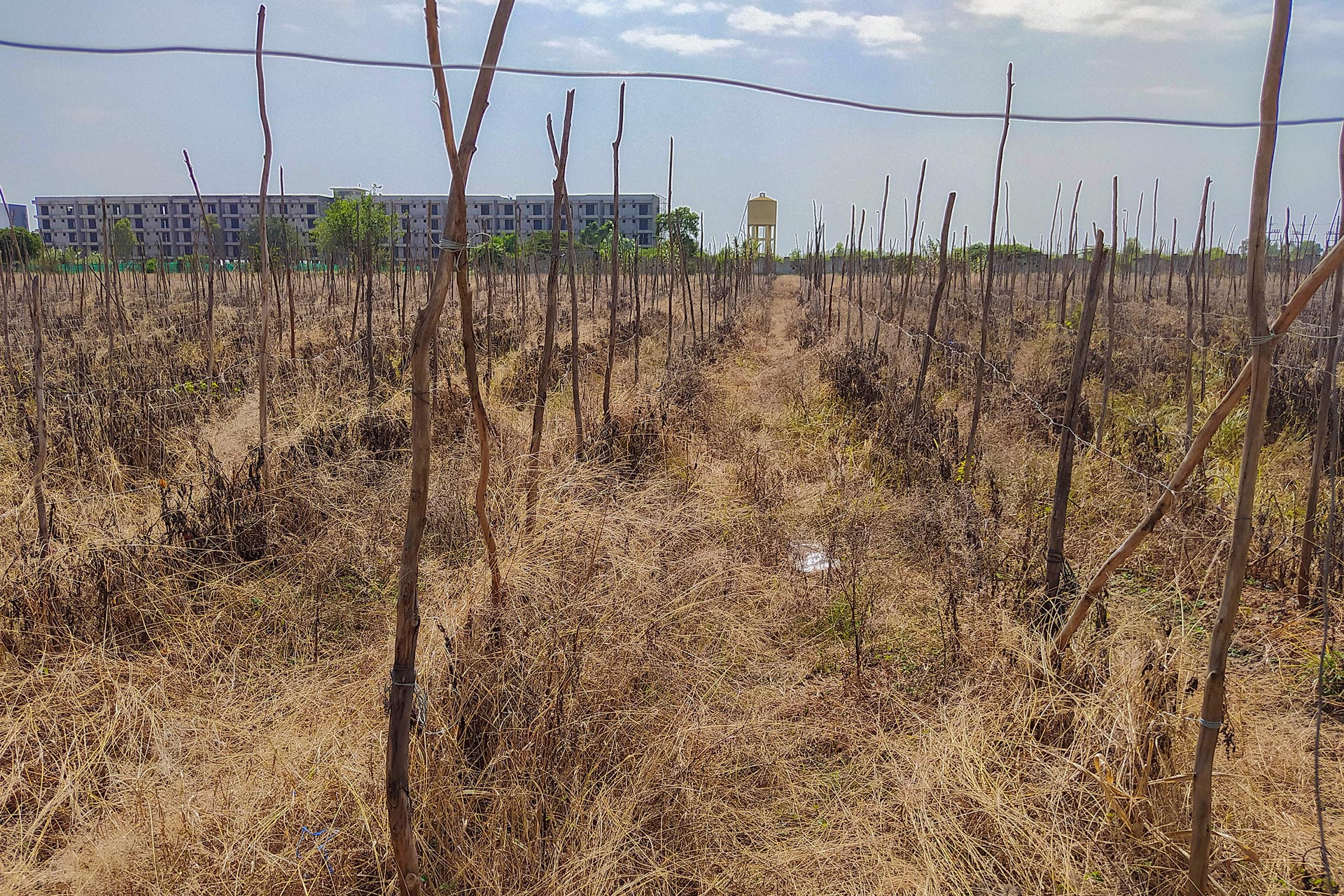
In summer, the dried lake bed is host to various vital activities: the desilting and use of the lake bed for farming, livestock grazing, and most importantly, foraging summer greens. The fertile lake bed is a food source for many marginalized communities who depend on common lands for their food. The government’s project will ensure that the lakes remain full throughout the year, interfering with the lake’s natural cycle and its neighboring communities. Filling the lakes with treated sewage water does not address the larger issues of climate change and the overconsumption of resources. The project will only hasten the decline of foraging culture.
Suresh has joined other youth in the region to protest issues related to land use and real estate. Riding around on his decade-old scooter, Suresh shows me different industrialized farms and lakes filled with the sewage water. “People think reviving forgotten foods is only about growing traditional vegetables and selling them. What they don’t realize is that we need constant engagement at every level of the system,” emphasizes Suresh. In this landscape, I began to see the enormity of Suresh’s movement.
Once COVID-19 restrictions ease, Suresh envisions opening a canteen that serves traditional recipes and a weekly organic farmers’ market. He hopes to inspire local farmers to shift to organic farming. He strongly believes the lack of reliable markets for organic produce is a major reason farmers have shifted to commercial farming. In an era in which knowledge systems are being patented at an alarming rate, Suresh gives credit to the women who shared their knowledge with him. “It is all archived in my head, I am just too lazy to document it. It would be great if someone could codify all this knowledge before it ceases to exist,” he says jovially. Making a mental note to revisit Sarjapura Curries to chronicle Suresh’s narratives further, I leave Sarjapura with a bag full of foraged greens and a heart full of inspiration to continue my work reawakening the tradition of uncultivated greens.
Ralph Waldo Emerson once said: “What is a weed? A plant whose virtues have not been discovered yet or have been forgotten.”
Thinking back on the first time I foraged for gangaibai kura with Satyamma in 2012, I remember how astonished I was to see that something that I considered a “weed” was being harvested and cooked. The flavors of her dish still linger in my memory. To my surprise, I was never able to replicate the dish again.
Uncultivated greens play an unconventional role in the modern agricultural system, where everything is categorized according to their marketability as opposed to their utility.
In India, traditional agriculture filled nutritional needs because it was based on mixed cropping. Millets, pulses, oilseeds, vegetables, edible uncultivated greens — all share the same space, water, time, pests, and labor. Yesudas (farmers) used a wide variety of organic techniques including composting, indigenous varieties, crop rotations, intercropping, incorporating legumes, and natural pest control.
British colonization saw extensive change in agricultural patterns in the Indian Subcontinent. Farmers were compelled to grow cash crops such as cotton, indigo, and opium for export markets, resulting in increased poverty and a reduction in land fertility. Today, though most of the landscape is industrial, you can still find pockets of farms that practice traditional mixed cropping.
India witnessed the Green Revolution in the 1950s. It changed the way agriculture was approached. Agriculture became associated with chemical fertilizers, agrochemicals, controlled water supply, and mechanization. All of these were seen as a ‘package of practices’ to supersede ‘traditional’ technology and to be adopted as a whole. This shift in agricultural practices introduced the concept of ‘weeds’ to the Indian agricultural landscape. Uncultivated plants, an integral part of the ecosystem of a farm, were seen as ‘unwanted plants’ because they competed with the cultivated plants for their nutrients, sunlight, and water. With the introduction of ‘weeds’ as part of the modern agricultural system, uncultivated greens were seen as a nuisance. This meant the weeds had to be dealt with, and it changed the way uncultivated greens were understood as food.
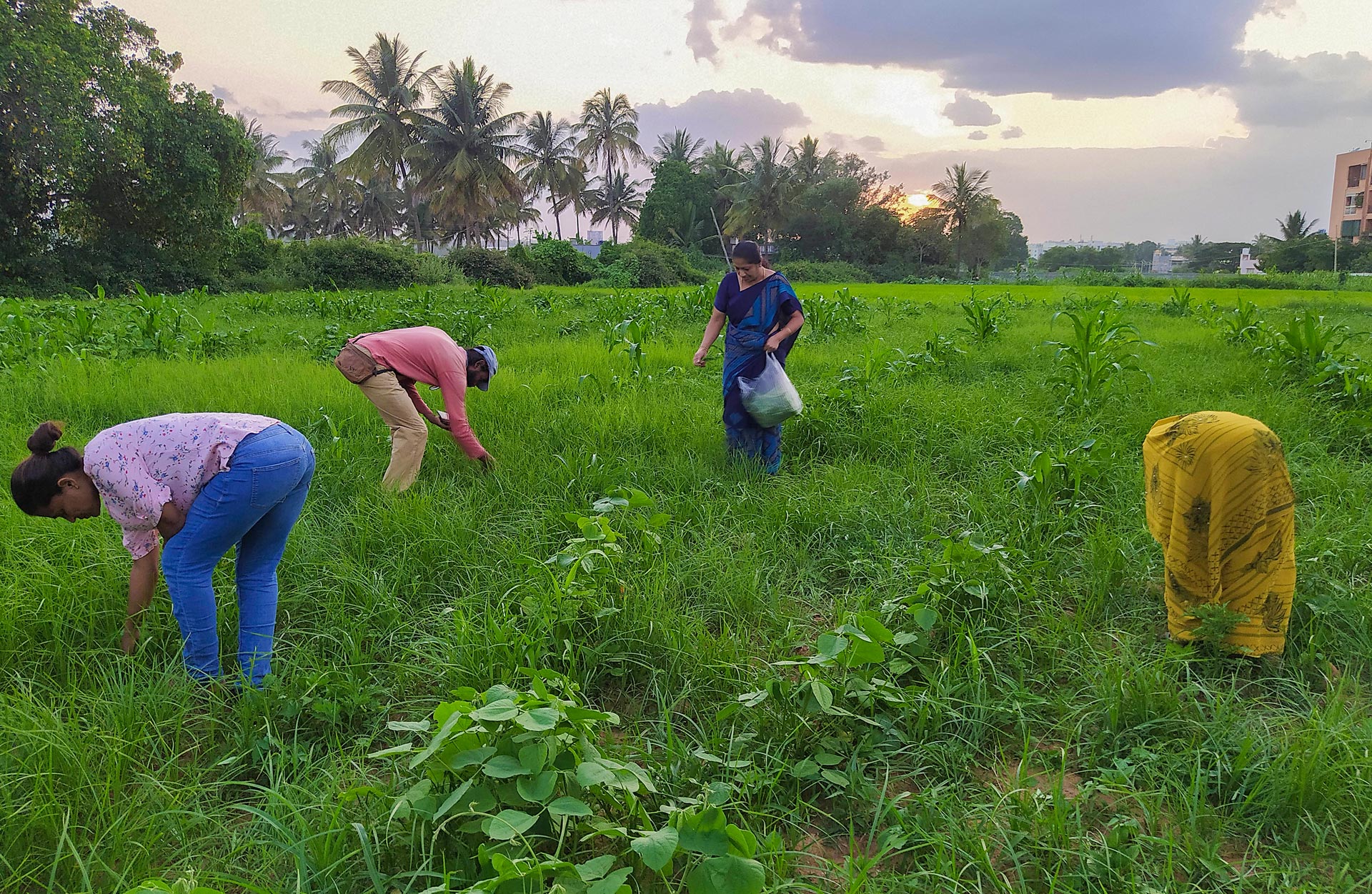
Traditional agriculture in the sub-continent includes foraging uncultivated greens. This is the source of nutrient security for marginalized communities living off the land. According to Suresh, millet farming often follows mixed farming which grows uncultivated greens alongside the main crop. Traditionally, farmers keep the weeds at bay by harvesting the uncultivated greens, adding diversity and value to their kitchens throughout the year. However, as the demand for millet rises, many farmers abandon organic practices and use herbicides on the native vegetative growth.
Wild edible plants are often used as herbs in folk medicine. They carry both nutrient and medicinal value. In a webinar on uncultivated foods organized by the Alliance for Sustainable and Holistic Agriculture (ASHA), Salome Yesudas notes that the consumption of uncultivated greens delays absorption of carbohydrates and fats, increasing the satiety value. They are equally important for proper bowel function and reducing chronic constipation.
Foraging has always been an act of asserting food sovereignty. It connected the forager to their land, biodiversity, and traditional knowledge. India is witnessing a rise in awareness around wild, uncultivated foods. Various festivals are popping up in celebration. The rise in awareness can be seen as a double-edged sword. An increase in awareness will help us understand the rich biodiversity and food heritage we have; however, we also risk appropriation and over-consumption of these uncultivated foods.
As the sun sets on the urban horizon, I walk with Suresh through the ragi field, listening to his stories and foraging for tomorrow’s greens. I notice women foraging in the neighboring fields. I feel assured of a revolution rising amongst us, giving us hope for a future where perhaps not all is lost.
Communities that establish seed banks and conservation practices, can safeguard crops' genetic heritage for generations to come.
Farming practices that do not involve the use of chemical herbicides to get rid of weeds.
About
Lexicon of Food is produced by The Lexicon, an international NGO that brings together food companies, government agencies, financial institutions, scientists, entrepreneurs, and food producers from across the globe to tackle some of the most complex challenges facing our food systems.
This website was built by The Lexicon™, a 501(c)(3) tax-exempt nonprofit organization headquartered in Petaluma, CA.
Check out our Privacy Policy, Cookie Policy, and Terms of Use.
© 2024 – Lexicon of Food™
We have no idea who grows our food, what farming practices they use, the communities they support, or what processing it undergoes before reaching our plates.
As a result, we have no ability to make food purchases that align with our values as individuals, or our missions as companies.
To change that, we’ve asked experts to demystify the complexity of food purchasing so that you can better informed decisions about what you buy.
The Lexicon of Food’s community of experts share their insights and experiences on the complex journey food takes to reach our plates. Their work underscores the need for greater transparency and better informed decision-making in shaping a healthier and more sustainable food system for all.
Professionals at universities and research institutions seeking scholarly articles, data, and resources.
Tools to align investment and grant making strategies with advances in agriculture, food production, and emerging markets.
Professionals seeking information on ingredient sourcing, menu planning, sustainability, and industry trends.
Chefs and food industry professionals seeking inspiration on ingredients and sustainable trends to enhance their work.
Individuals interested in food products, recipes, nutrition, and health-related information for personal or family use.
Individuals producing food, fiber, feed, and other agricultural products that support both local and global food systems.
This online platform is years in the making, featuring the contributions of 1000+ companies and NGOs across a dzen domain areas. To introduce you to their work, we’ve assembled personalized experiences with insights from our community of international experts.
Businesses engaged in food production, processing, and distribution that seek insight from domain experts
Those offering specialized resources and support and guidance in agriculture, food production, and nutrition.
Individuals who engage and educate audience on themes related to agriculture, food production, and nutrition.
Nutritional information for professionals offering informed dietary choices that help others reach their health objectives
Those advocating for greater awareness and stronger action to address climate impacts on agriculture and food security.
Professionals seeking curriculum materials, lesson plans, and learning tools related to food and agriculture.
Over half the world’s agricultural production comes from only three crops. Can we bring greater diversity to our plates?
In the US, four companies control nearly 85% of the beef we consume. Can we develop more regionally-based markets?
How can we develop alternatives to single-use plastics that are more sustainable and environmentally friendly?
Could changing the way we grow our food provide benefits for people and the planet, and even respond to climate change?
Can we meet the growing global demand for protein while reducing our reliance on traditional animal agriculture?
It’s not only important what we eat but what our food comes in. Can we develop tools that identify toxic materials used in food packaging?
Explore The Lexicon’s collection of immersive storytelling experiences featuring insights from our community of international experts.
The Great Protein Shift
Our experts use an engaging interactive approach to break down the technologies used to create these novel proteins.
Lexicon of Impacts
Accelerate positive impacts building a common language for investors, communities and project developers to activate catalytic capital for our planet.
Food-related chronic diseases are the biggest burden on healthcare systems. What would happen if we treated food as medicine?
How can we responsibly manage our ocean fisheries so there’s enough seafood for everyone now and for generations to come?
Mobilizing agronomists, farmers, NGOs, chefs, and food companies in defense of biodiversity in nature, agriculture, and on our plates.
Can governments develop guidelines that shift consumer diets, promote balanced nutrition and reduce the risk of chronic disease?
Will sustainably raising shellfish, finfish, shrimp and algae meet the growing demand for seafood while reducing pressure on wild fisheries?
How can a universal visual language to describe our food systems bridge cultural barriers and increase consumer literacy?
What if making the right food choices could be an effective tool for addressing a range of global challenges?
Let’s start with climate change. While it presents our planet with existential challenges, biodiversity loss, desertification, and water scarcity should be of equal concern—they’re all connected.
Instead of seeking singular solutions, we must develop a holistic approach, one that channel our collective energies and achieve positive impacts where they matter most.
To maximize our collective impact, EBF can help consumers focus on six equally important ecological benefits: air, water, soil, biodiversity, equity, and carbon.
We’ve gathered domain experts from over 1,000 companies and organizations working at the intersection of food, agriculture, conservation, and climate change.
The Lexicon™ is a California-based nonprofit founded in 2009 with a focus on positive solutions for a more sustainable planet.
For the past five years, it has developed an “activator for good ideas” with support from Food at Google. This model gathers domain experts from over 1,000 companies and organizations working at the intersection of food, agriculture, conservation, and climate change.
Together, the community has reached consensus on strategies that respond to challenges across multiple domain areas, including biodiversity, regenerative agriculture, food packaging, aquaculture, and the missing middle in supply chains for meat.
Lexicon of Food is the first public release of that work.
Over half the world’s agricultural production comes from only three crops. Can we bring greater diversity to our plates?
In the US, four companies control nearly 85% of the beef we consume. Can we develop more regionally-based markets?
How can we develop alternatives to single-use plastics that are more sustainable and environmentally friendly?
Could changing the way we grow our food provide benefits for people and the planet, and even respond to climate change?
Can we meet the growing global demand for protein while reducing our reliance on traditional animal agriculture?
It’s not only important what we eat but what our food comes in. Can we develop tools that identify toxic materials used in food packaging?
Explore The Lexicon’s collection of immersive storytelling experiences featuring insights from our community of international experts.
The Great Protein Shift
Our experts use an engaging interactive approach to break down the technologies used to create these novel proteins.
Ten Principles for Regenerative Agriculture
What is regenerative agriculture? We’ve developed a framework to explain the principles, practices, ecological benefits and language of regenerative agriculture, then connected them to the UN’s Sustainable Development Goals.
Food-related chronic diseases are the biggest burden on healthcare systems. What would happen if we treated food as medicine?
How can we responsibly manage our ocean fisheries so there’s enough seafood for everyone now and for generations to come?
Mobilizing agronomists, farmers, NGOs, chefs, and food companies in defense of biodiversity in nature, agriculture, and on our plates.
Can governments develop guidelines that shift consumer diets, promote balanced nutrition and reduce the risk of chronic disease?
Will sustainably raising shellfish, finfish, shrimp and algae meet the growing demand for seafood while reducing pressure on wild fisheries?
How can a universal visual language to describe our food systems bridge cultural barriers and increase consumer literacy?
This game was designed to raise awareness about the impacts our food choices have on our own health, but also the environment, climate change and the cultures in which we live.
First, you can choose one of the four global regions and pick a character that you want to play.
Each region has distinct cultural, economic, historical, and agricultural capacities to feed itself, and each character faces different challenges, such as varied access to food, higher or lower family income, and food literacy.
As you take your character through their day, select the choices you think they might make given their situation.
At the end of the day you will get a report on the impact of your food choices on five areas: health, healthcare, climate, environment and culture. Take some time to read through them. Now go back and try again. Can you make improvements in all five areas? Did one area score higher, but another score lower?
FOOD CHOICES FOR A HEALTHY PLANET will help you better understand how all these regions and characters’ particularities can influence our food choices, and how our food choices can impact our personal health, national healthcare, environment, climate, and culture. Let’s Play!
The FOOD CHOICES FOR A HEALTHY PLANET game allows users to experience the dramatic connections between food and climate in a unique and engaging way. The venue and the game set-up provides attendees with a fun experience, with a potential to add a new layer of storytelling about this topic.
Starting the game: the pilot version of the game features four country/regions: Each reflects a different way people (and the national dietary guidelines) look at diets: Nordic Countries (sustainability), Brazil (local and whole foods instead of ultra-processed foods); Canada (plant-forward), and Indonesia (developing countries).
Personalizing the game: players begin by choosing a country and then a character who they help in making food choices over the course of one day. Later versions may allow for creating custom avatars.
Making tough food choices: This interactive game for all ages shows how the food choices we make impact our health and the environment, and even contribute to climate change.


What we eat matters: at the end of each game, players learn that every decision they make impacts not only their health, but a national healthcare system, the environment, climate and even culture.
We’d love to know more about you and why you think you will be a great fit for this position! Shoot us an email introducing you and we’ll get back to you as soon as possible!
Providing best water quality conditions to ensure optimal living condition for growth, breeding and other physiological needs
Water quality is sourced from natural seawater with dependency on the tidal system. Water is treated to adjust pH and alkalinity before stocking.
Producers that own and manages the farm operating under small-scale farming model with limited input, investment which leads to low to medium production yield
All 1,149 of our farmers in both regencies are smallholder farmers who operate with low stocking density, traditional ponds, and no use of any other intensification technology.
Safe working conditions — cleanliness, lighting, equipment, paid overtime, hazard safety, etc. — happen when businesses conduct workplace safety audits and invest in the wellbeing of their employees
Company ensure implementation of safe working conditions by applying representative of workers to health and safety and conduct regular health and safety training. The practices are proven by ASIC standards’ implementation
Implementation of farming operations, management and trading that impact positively to community wellbeing and sustainable better way of living
The company works with local stakeholders and local governments to create support for farmers and the farming community in increasing resilience. Our farming community is empowered by local stakeholders continuously to maintain a long generation of farmers.
Freezing seafood rapidly when it is at peak freshness to ensure a higher quality and longer lasting product
Our harvests are immediately frozen with ice flakes in layers in cool boxes. Boxes are equipped with paper records and coding for traceability. We ensure that our harvests are processed with the utmost care at <-18 degrees Celsius.
Sourcing plant based ingredients, like soy, from producers that do not destroy forests to increase their growing area and produce fish feed ingredients
With adjacent locations to mangroves and coastal areas, our farmers and company are committed to no deforestation at any scale. Mangrove rehabilitation and replantation are conducted every year in collaboration with local authorities. Our farms are not established in protected habitats and have not resulted from deforestation activity since the beginning of our establishment.
Implement only natural feeds grown in water for aquatic animal’s feed without use of commercial feed
Our black tiger shrimps are not fed using commercial feed. The system is zero input and depends fully on natural feed grown in the pond. Our farmers use organic fertilizer and probiotics to enhance the water quality.
Enhance biodiversity through integration of nature conservation and food production without negative impact to surrounding ecosysytem
As our practices are natural, organic, and zero input, farms coexist with surrounding biodiversity which increases the volume of polyculture and mangrove coverage area. Farmers’ groups, along with the company, conduct regular benthic assessments, river cleaning, and mangrove planting.
THE TERM “MOONSHOT” IS OFTEN USED TO DESCRIBE an initiative that goes beyond the confines of the present by transforming our greatest aspirations into reality, but the story of a moonshot isn’t that of a single rocket. In fact, the Apollo program that put Neil Armstrong on the moon was actually preceded by the Gemini program, which in a two-year span rapidly put ten rockets into space. This “accelerated” process — with a new mission nearly every 2-3 months — allowed NASA to rapidly iterate, validate their findings and learn from their mistakes. Telemetry. Propulsion. Re-entry. Each mission helped NASA build and test a new piece of the puzzle.
The program also had its fair share of creative challenges, especially at the outset, as the urgency of the task at hand required that the roadmap for getting to the moon be written in parallel with the rapid pace of Gemini missions. Through it all, the NASA teams never lost sight of their ultimate goal, and the teams finally aligned on their shared responsibilities. Within three years of Gemini’s conclusion, a man did walk on the moon.
FACT is a food systems solutions activator that assesses the current food landscape, engages with key influencers, identifies trends, surveys innovative work and creates greater visibility for ideas and practices with the potential to shift key food and agricultural paradigms.
Each activator focuses on a single moonshot; instead of producing white papers, policy briefs or peer-reviewed articles, these teams design and implement blueprints for action. At the end of each activator, their work is released to the public and open-sourced.
As with any rapid iteration process, many of our activators re-assess their initial plans and pivot to address new challenges along the way. Still, one thing has remained constant: their conviction that by working together and pooling their knowledge and resources, they can create a multiplier effect to more rapidly activate change.
Co-Founder
THE LEXICON
Vice President
Global Workplace Programs
GOOGLE
Who can enter and how selections are made.
A Greener Blue is a global call to action that is open to individuals and teams from all over the world. Below is a non-exhaustive list of subjects the initiative targets.
To apply, prospective participants will need to fill out the form on the website, by filling out each part of it. Applications left incomplete or containing information that is not complete enough will receive a low score and have less chance of being admitted to the storytelling lab.
Nonprofit organizations, communities of fishers and fish farmers and companies that are seeking a closer partnership or special support can also apply by contacting hello@thelexicon.org and interacting with the members of our team.
Special attention will be given to the section of the form regarding the stories that the applicants want to tell and the reasons for participating. All proposals for stories regarding small-scale or artisanal fishers or aquaculturists, communities of artisanal fishers or aquaculturists, and workers in different steps of the seafood value chain will be considered.
Stories should show the important role that these figures play in building a more sustainable seafood system. To help with this narrative, the initiative has identified 10 principles that define a more sustainable seafood system. These can be viewed on the initiative’s website and they state:
Seafood is sustainable when:
Proposed stories should show one or more of these principles in practice.
Applications are open from the 28th of June to the 15th of August 2022. There will be 50 selected applicants who will be granted access to The Lexicon’s Total Storytelling Lab. These 50 applicants will be asked to accept and sign a learning agreement and acceptance of participation document with which they agree to respect The Lexicon’s code of conduct.
The first part of the lab will take place online between August the 22nd and August the 26th and focus on training participants on the foundation of storytelling, supporting them to create a production plan, and aligning all of them around a shared vision.
Based on their motivation, quality of the story, geography, and participation in the online Lab, a selected group of participants will be gifted a GoPro camera offered to the program by GoPro For A Change. Participants who are selected to receive the GoPro camera will need to sign an acceptance and usage agreement.
The second part of the Storytelling Lab will consist of a production period in which each participant will be supported in the production of their own story. This period goes from August 26th to October 13th. Each participant will have the opportunity to access special mentorship from an international network of storytellers and seafood experts who will help them build their story. The Lexicon also provides editors, animators, and graphic designers to support participants with more technical skills.
The final deadline to submit the stories is the 14th of October. Participants will be able to both submit complete edited stories, or footage accompanied by a storyboard to be assembled by The Lexicon’s team.
All applicants who will exhibit conduct and behavior that is contrary to The Lexicon’s code of conduct will be automatically disqualified. This includes applicants proposing stories that openly discriminate against a social or ethnic group, advocate for a political group, incite violence against any group, or incite to commit crimes of any kind.
All submissions must be the entrant’s original work. Submissions must not infringe upon the trademark, copyright, moral rights, intellectual rights, or rights of privacy of any entity or person.
Participants will retain the copyrights to their work while also granting access to The Lexicon and the other partners of the initiative to share their contributions as part of A Greener Blue Global Storytelling Initiative.
If a potential selected applicant cannot be reached by the team of the Initiative within three (3) working days, using the contact information provided at the time of entry, or if the communication is returned as undeliverable, that potential participant shall forfeit.
Selected applicants will be granted access to an advanced Storytelling Lab taught and facilitated by Douglas Gayeton, award-winning storyteller and information architect, co-founder of The Lexicon. In this course, participants will learn new techniques that will improve their storytelling skills and be able to better communicate their work with a global audience. This skill includes (but is not limited to) how to build a production plan for a documentary, how to find and interact with subjects, and how to shoot a short documentary.
Twenty of the participants will receive a GoPro Hero 11 Digital Video and Audio Cameras by September 15, 2022. Additional participants may receive GoPro Digital Video and Audio Cameras to be announced at a later date. The recipients will be selected by advisors to the program and will be based on selection criteria (see below) on proposals by Storytelling Lab participants. The selections will keep in accordance with Lab criteria concerning geography, active participation in the Storytelling Lab and commitment to the creation of a story for the Initiative, a GoPro Camera to use to complete the storytelling lab and document their story. These recipients will be asked to sign an acceptance letter with terms of use and condition to receive the camera.
The Lexicon provides video editors, graphic designers, and animators to support the participants to complete their stories.
The submitted stories will be showcased during international and local events, starting from the closing event of the International Year of Fisheries and Aquaculture 2022 in Rome, in January 2023. The authors of the stories will be credited and may be invited to join.
Storytelling lab participation:
Applicants that will be granted access to the storytelling Lab will be evaluated based on the entries they provided in the online form, and in particular:
Applications will be evaluated by a team of 4 judges from The Lexicon, GSSI and the team of IYAFA (Selection committee).
When selecting applications, the call promoters may request additional documentation or interviews both for the purpose of verifying compliance with eligibility requirements and to facilitate proposal evaluation.
Camera recipients:
Participants to the Storytelling Lab who will be given a GoPro camera will be selected based on:
The evaluation will be carried out by a team of 4 judges from The Lexicon, GSSI and the team of IYAFA (Selection committee).
Incidental expenses and all other costs and expenses which are not specifically listed in these Official Rules but which may be associated with the acceptance, receipt and use of the Storytelling Lab and the camera are solely the responsibility of the respective participants and are not covered by The Lexicon or any of the A Greener Blue partners.
All participants who receive a Camera are required to sign an agreement allowing GoPro for a Cause, The Lexicon and GSSI to utilize the films for A Greener Blue and their promotional purposes. All participants will be required to an agreement to upload their footage into the shared drive of The Lexicon and make the stories, films and images available for The Lexicon and the promoting partners of A Greener Blue.