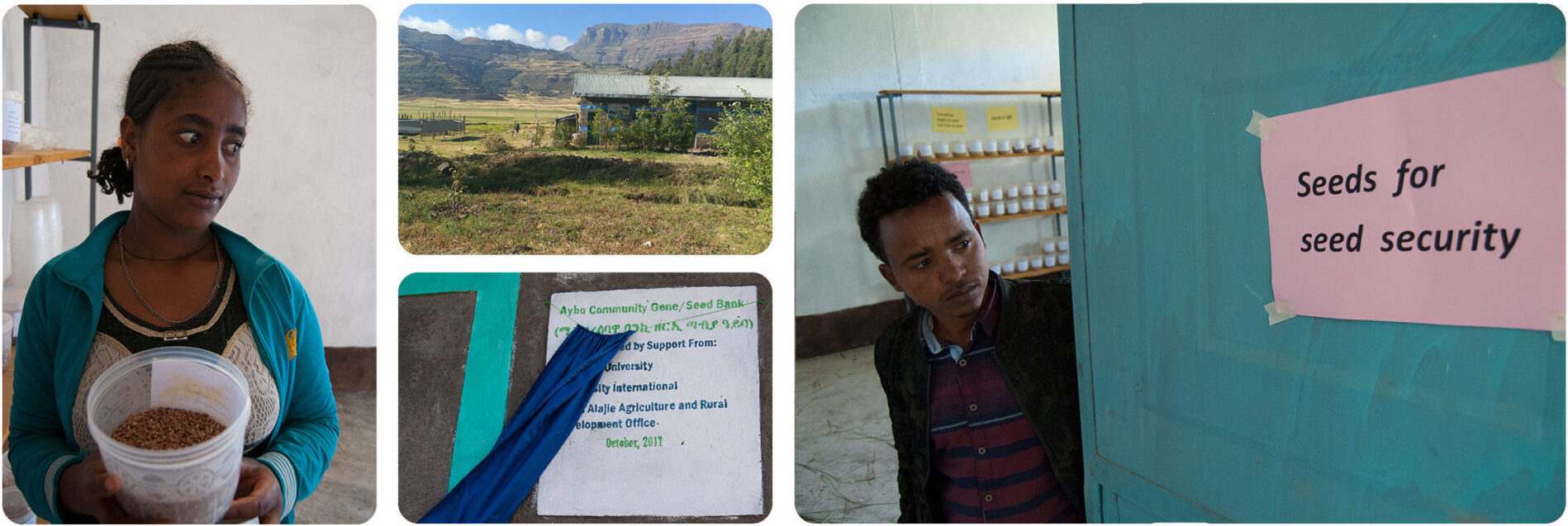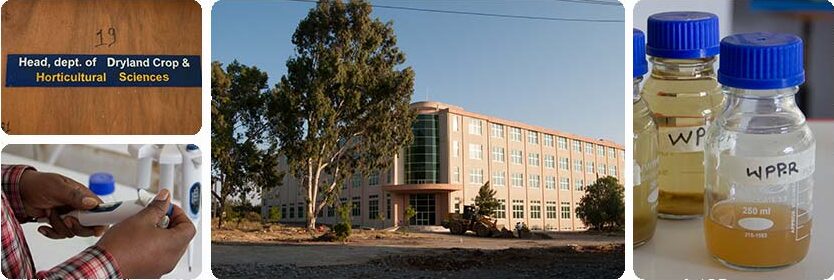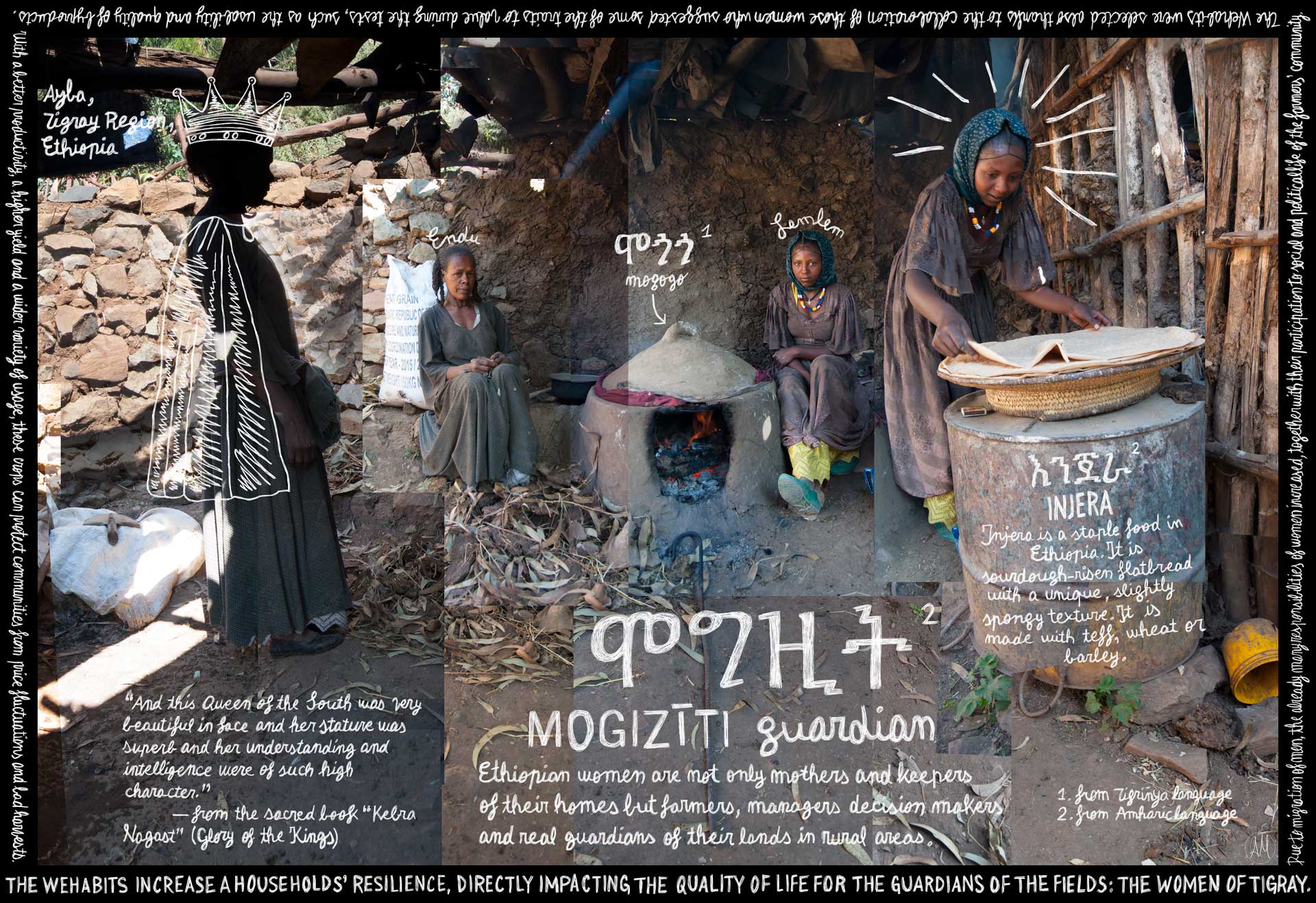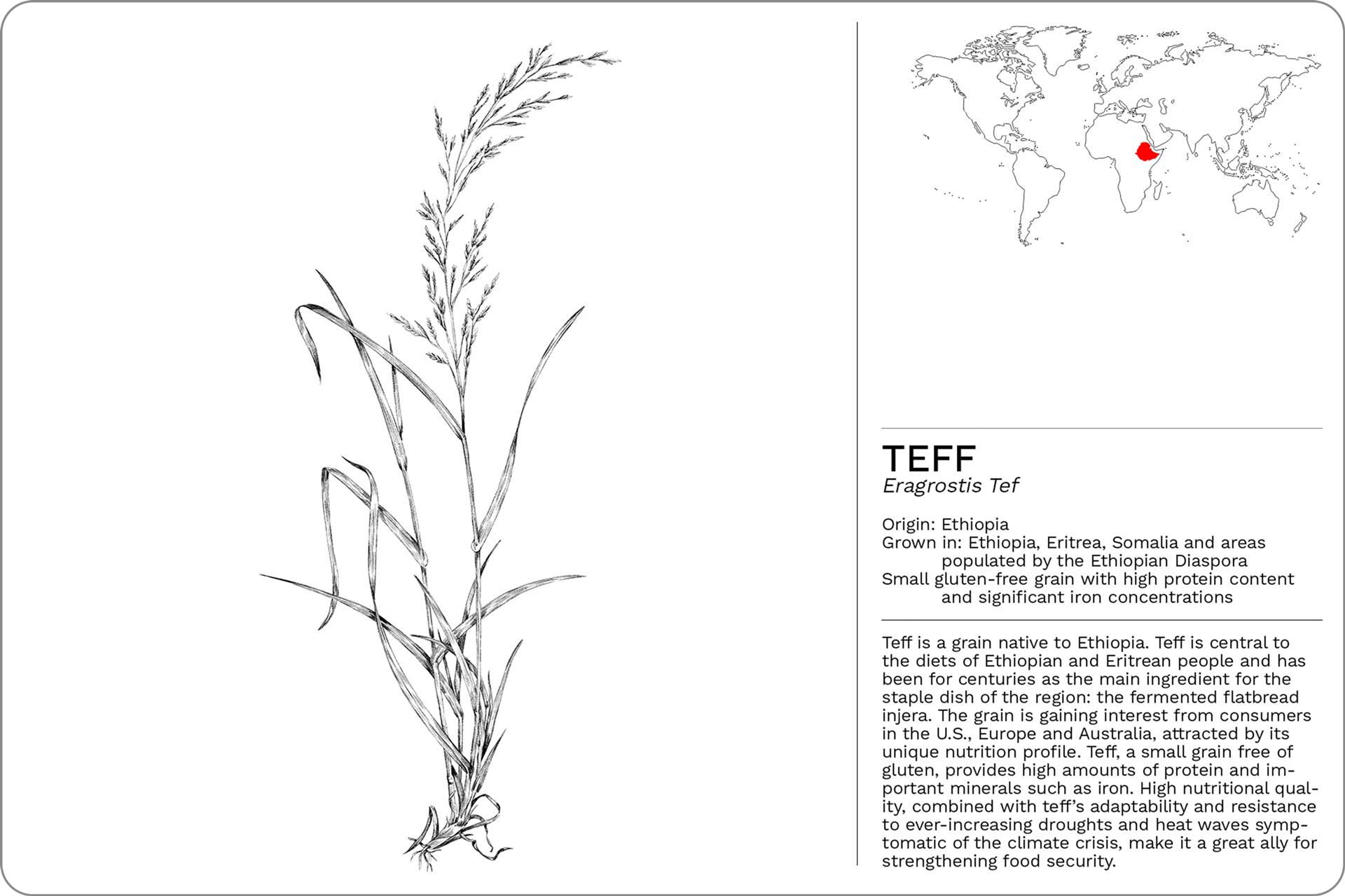



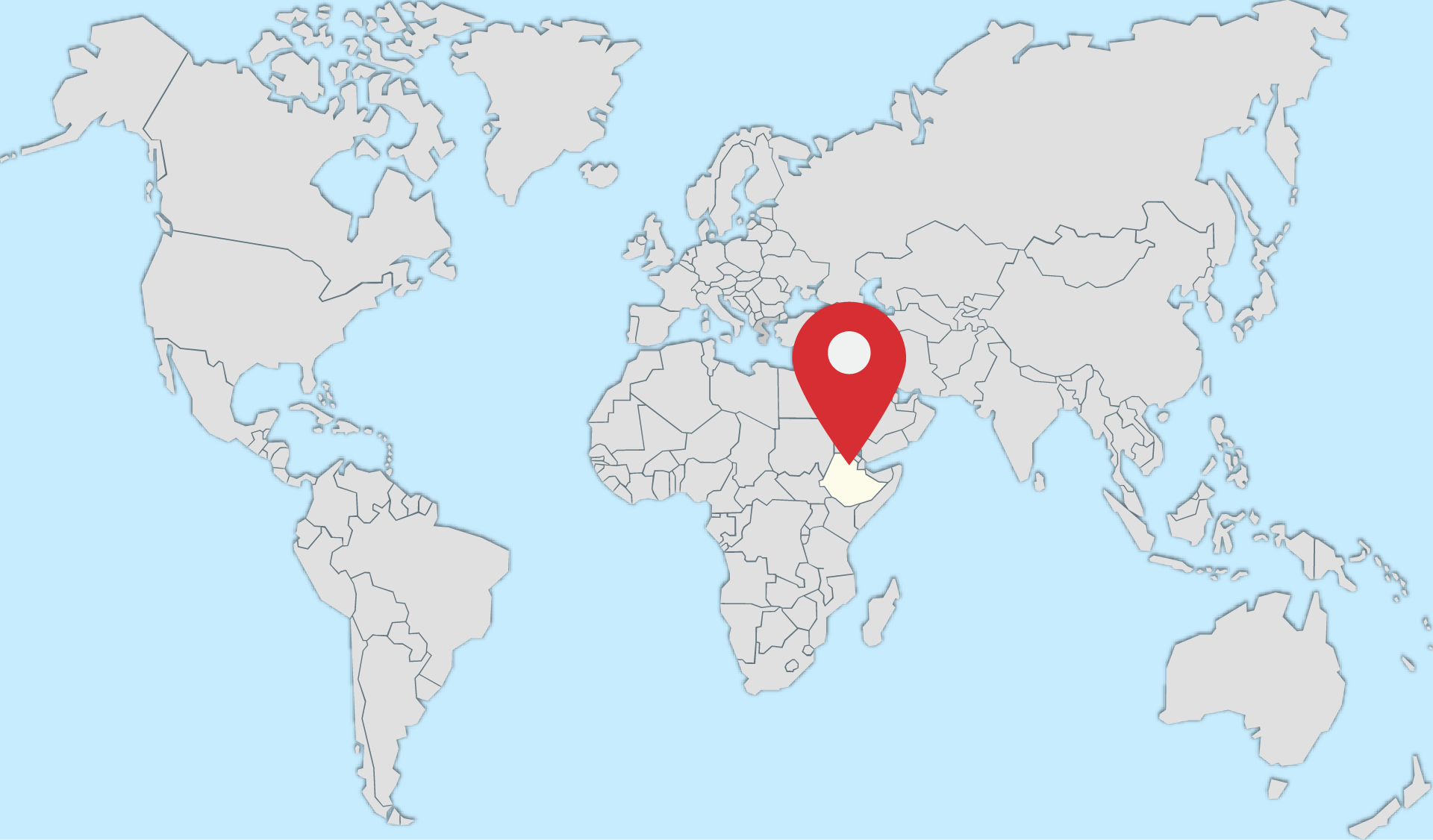


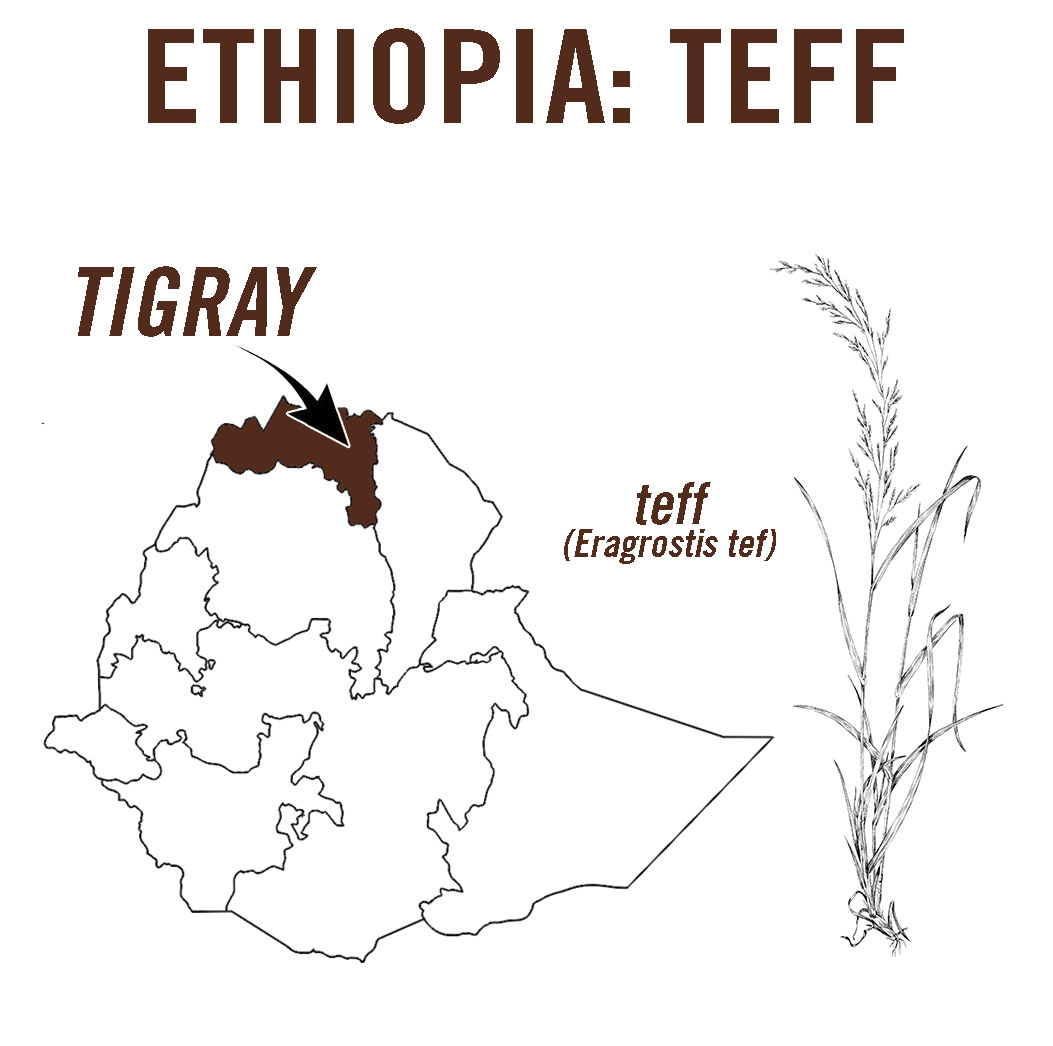
Tigray is one of nine regional states of the Federal Republic of Ethiopia, a country with over 100 million people. It is a small region, with only 5.5 million people, most of whom belong to the Tigrinya ethnic group, a vital cultural and political fixture in the country’s social landscape. While the Ethiopian population is growing rapidly—the average woman has four children in her lifetime (World Bank)— its food systems cannot keep up with growing demand. Consequently, undernutrition contributes to a child mortality rate of 28%, with stunting affecting 38% of children under the age of five (UNICEF).
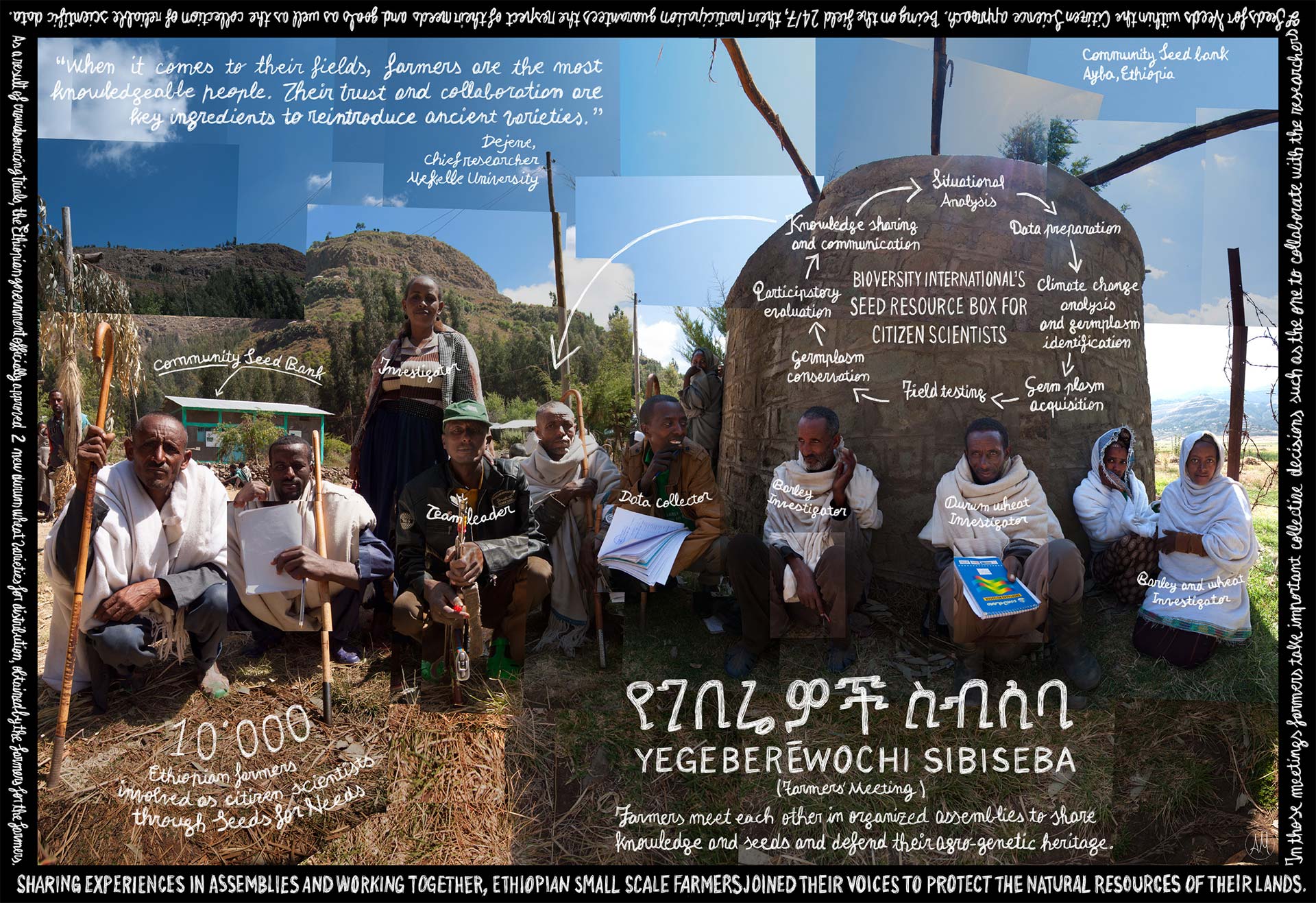
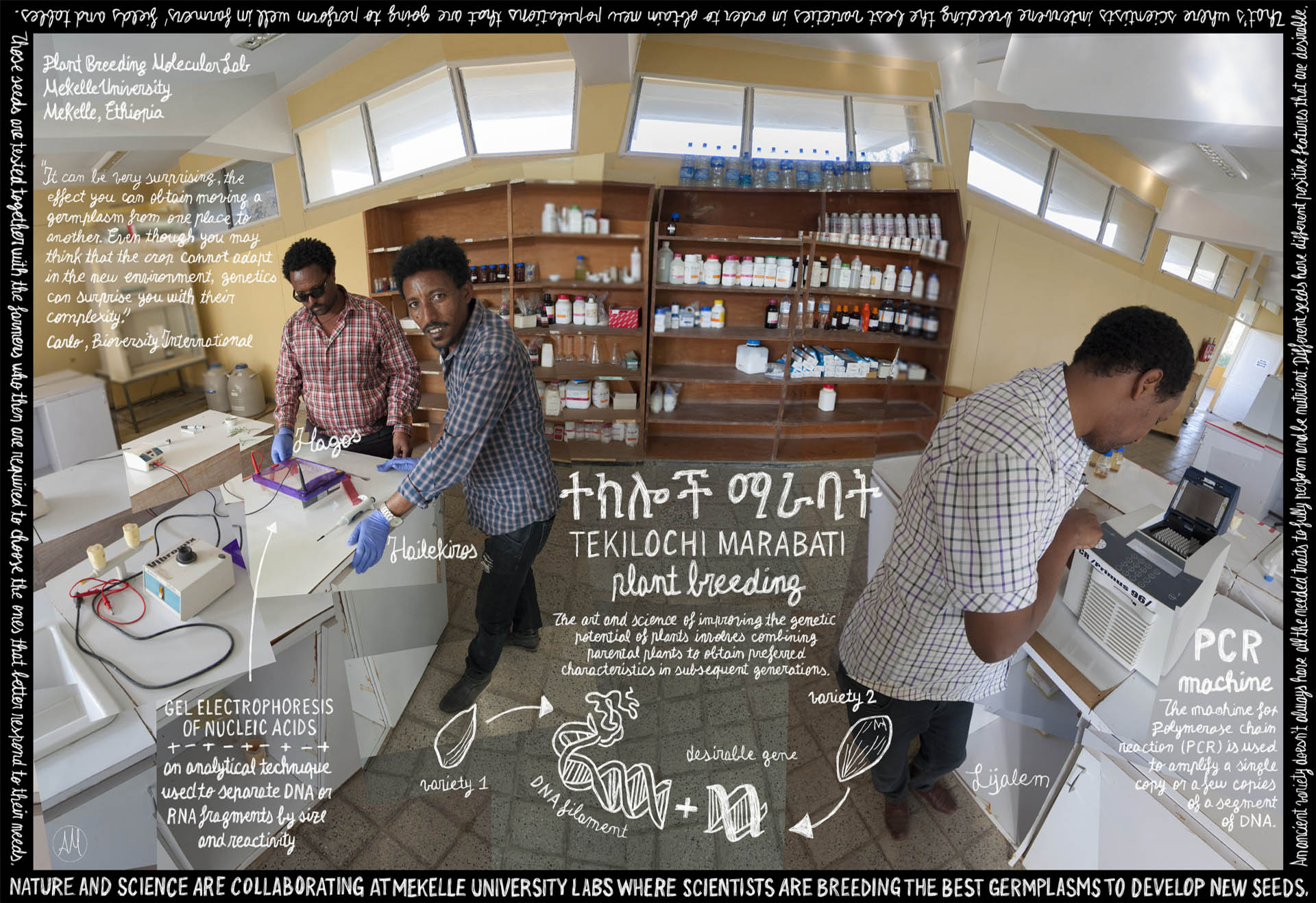
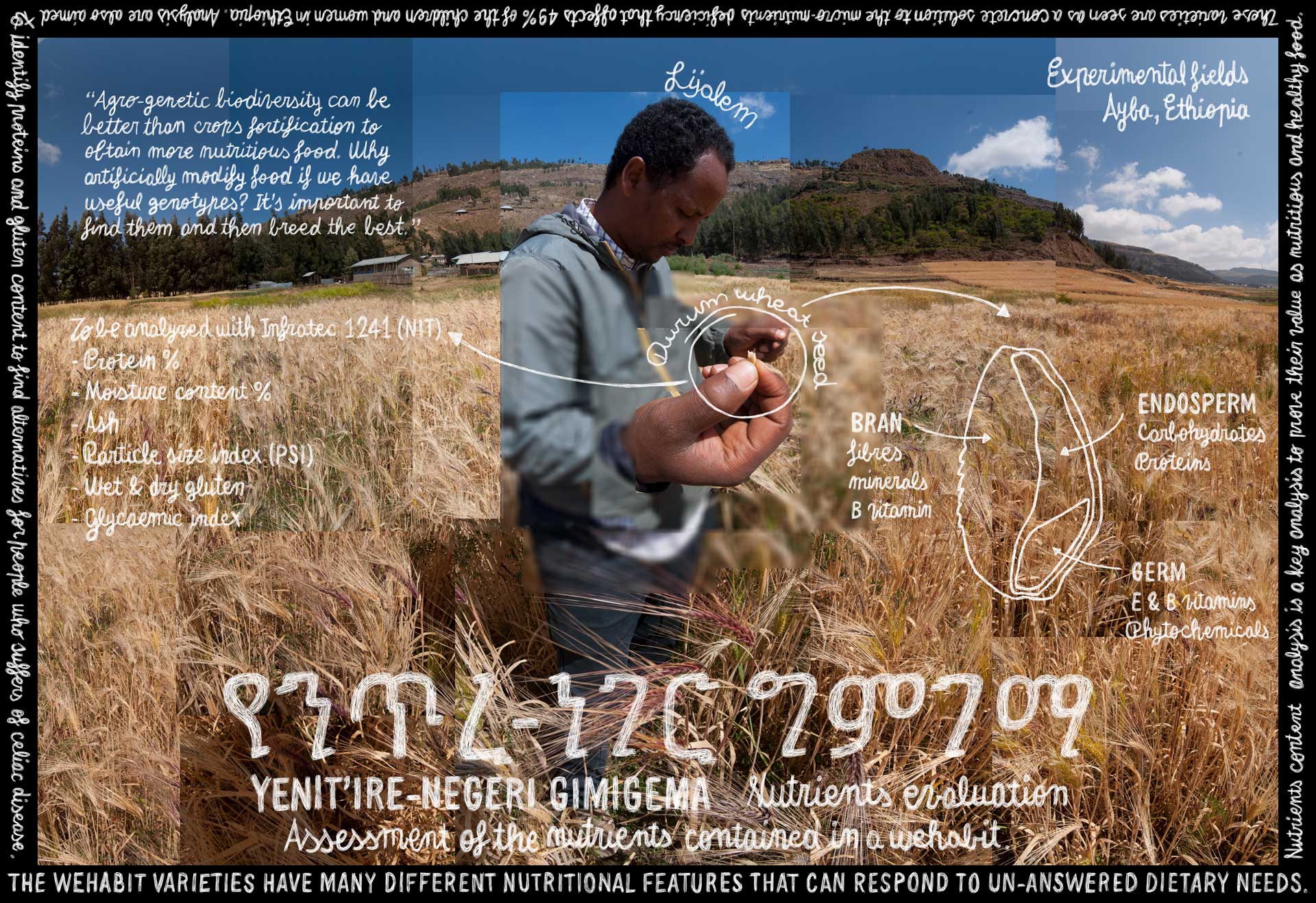
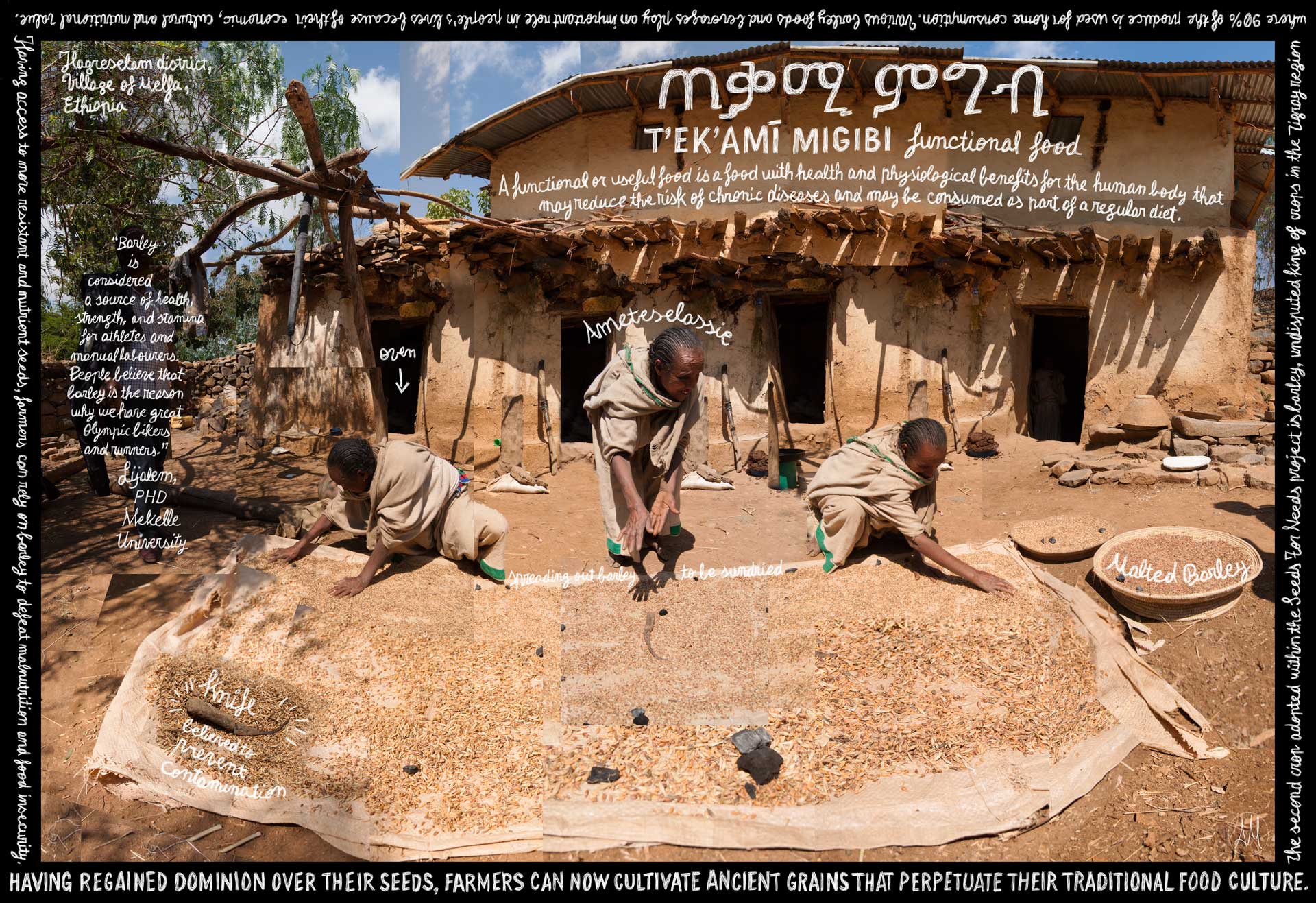
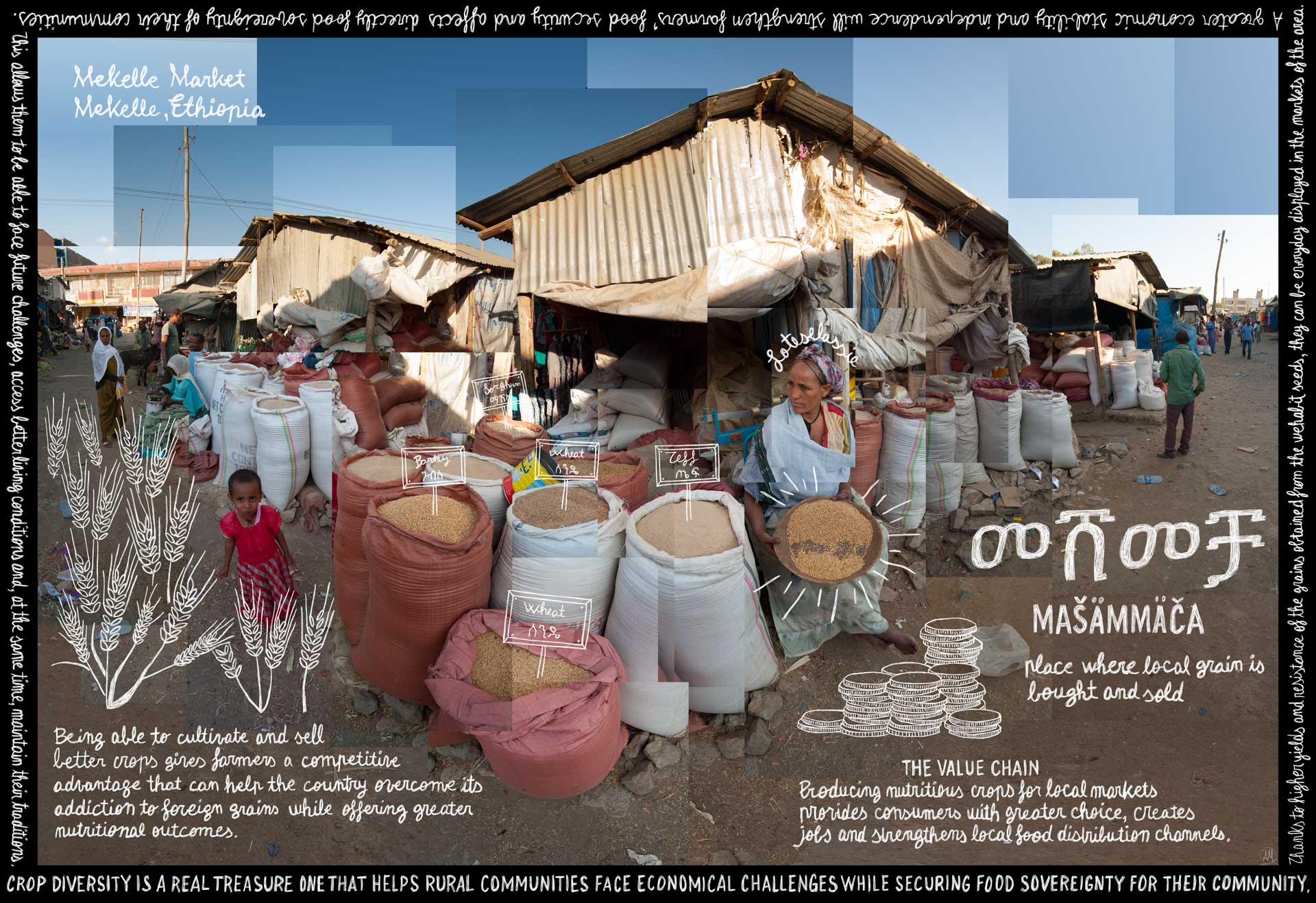
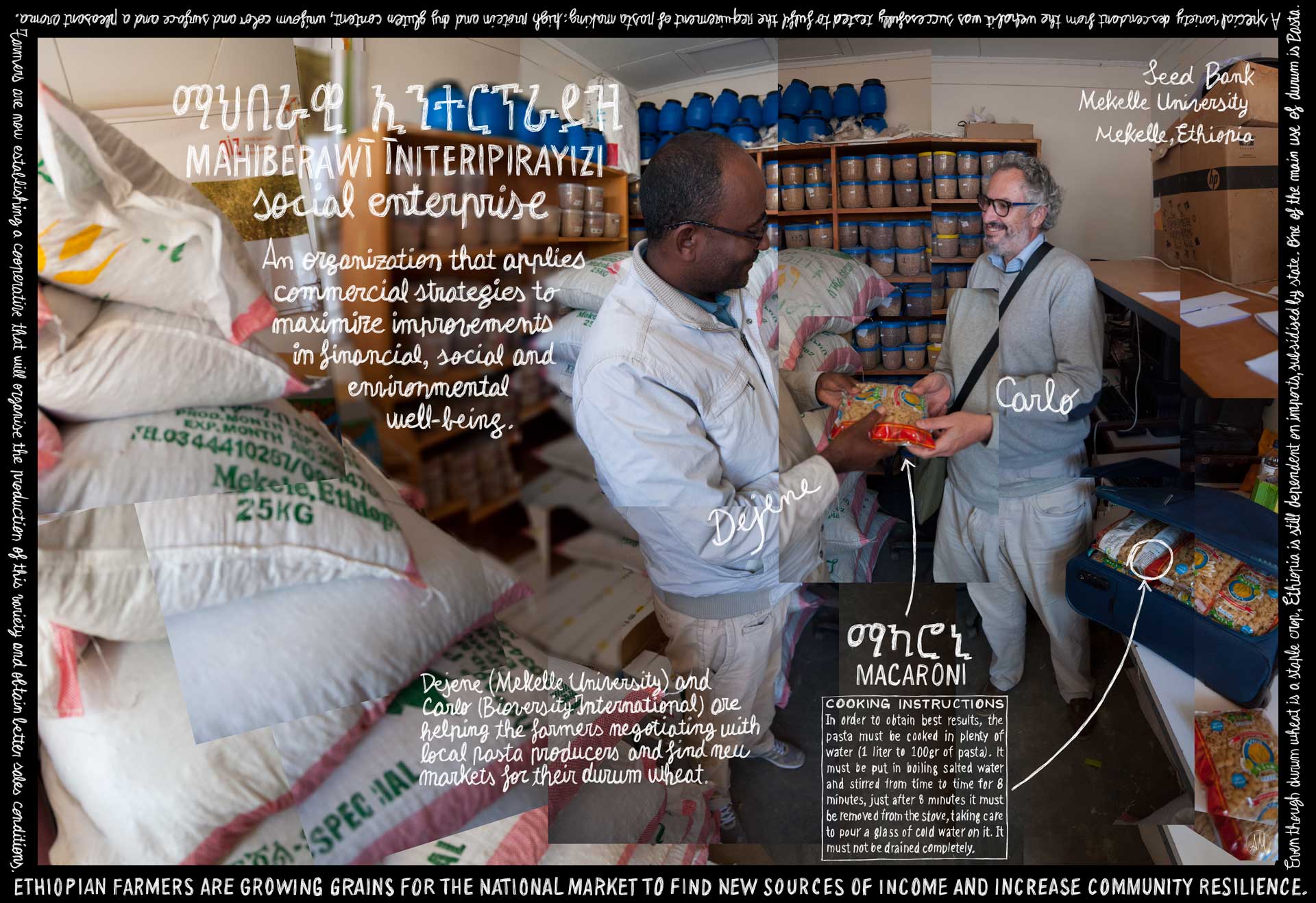
Improving nutrition is made increasingly difficult by climate change, which now impacts healthcare, the environment, and the productivity of many crops and livestock. Thanks to its rich heritage of agricultural biodiversity, Ethiopia has the capacity to address undernutrition by enhancing agrobiodiversity, which spreads agricultural “risk” by growing a range of crops to meet the challenges of uncertain times. Unfortunately, most agronomic research is generally overlooked, while policymakers incorrectly assume that indigenous crops developed by hundreds of generations of farmers are less productive and unable to contribute significantly to food security. Policymakers have recently encouraged farmers to grow a small collection of modern grains to please food processors and international markets. This approach, which rarely includes traditional varieties, now threatens the country’s agricultural biodiversity and with it the survival of the country’s food production system.