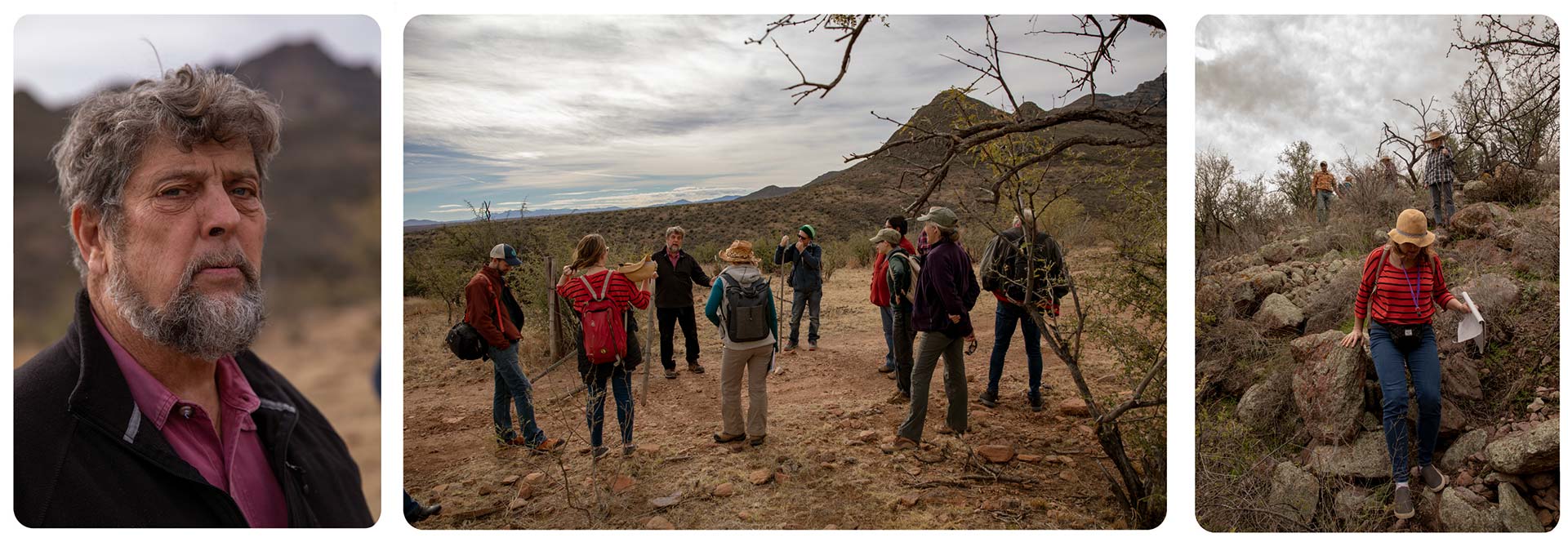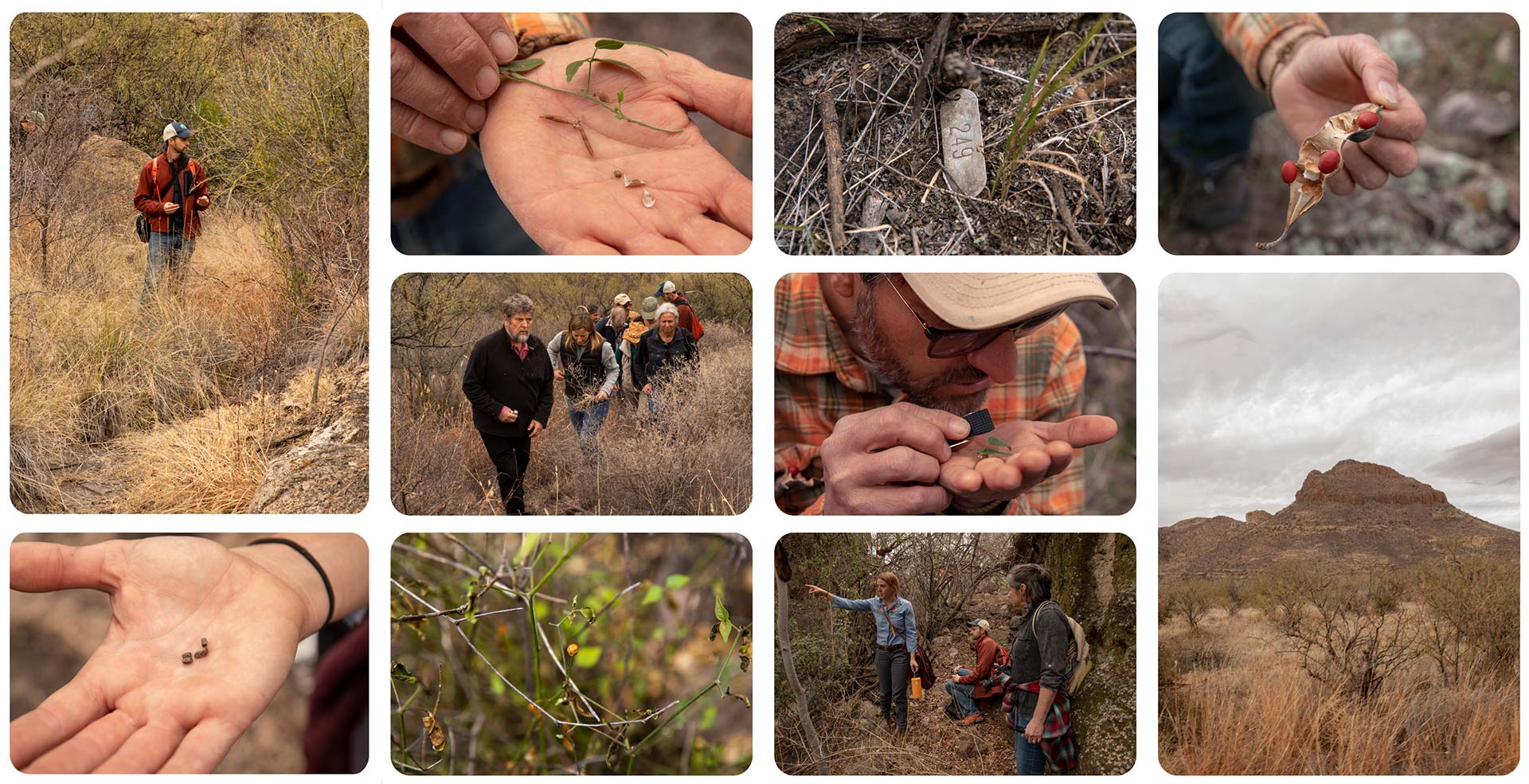



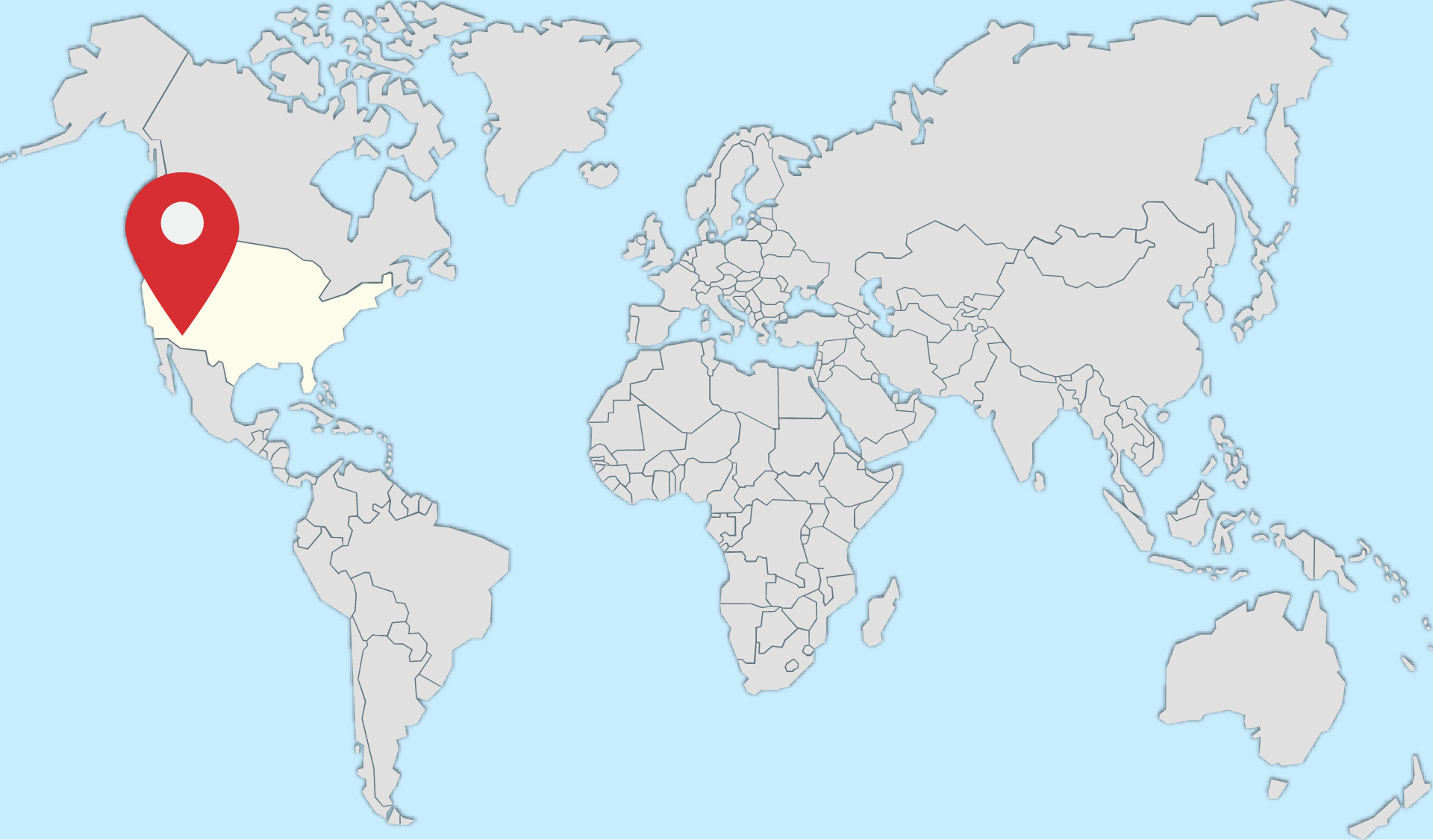


Tumacacori highlands, north of the Arizona/Sonora border.
This landscape of thorny agaves, cacti, mesquite trees and rock is not the first place one might imagine searching for the future of food. How can such a hot, dry place contain some of the keys to nourishing the world?
We’re in the desert, an hour south of Tucson, in southern Arizona. Giant, natural walls of stone rise hundreds of feet above our heads to form a big horseshoe-shaped canyon appropriately named Rock Corral. The heat here can be punishing, and the rain scarce, and that was precisely the point. For the area is home to precious wild plants tolerant of such stresses, hiding in crevices and under scraggly trees providing just enough shelter for their survival.
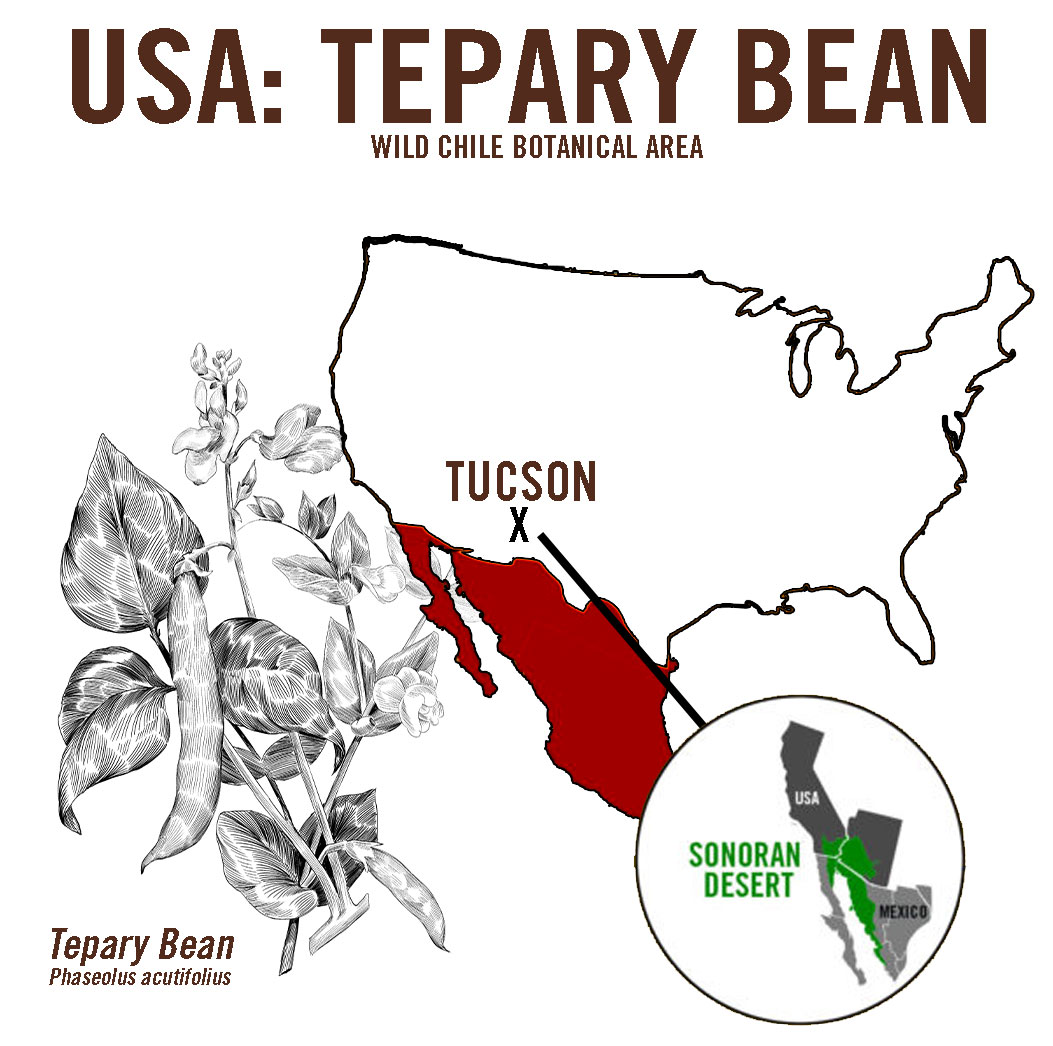
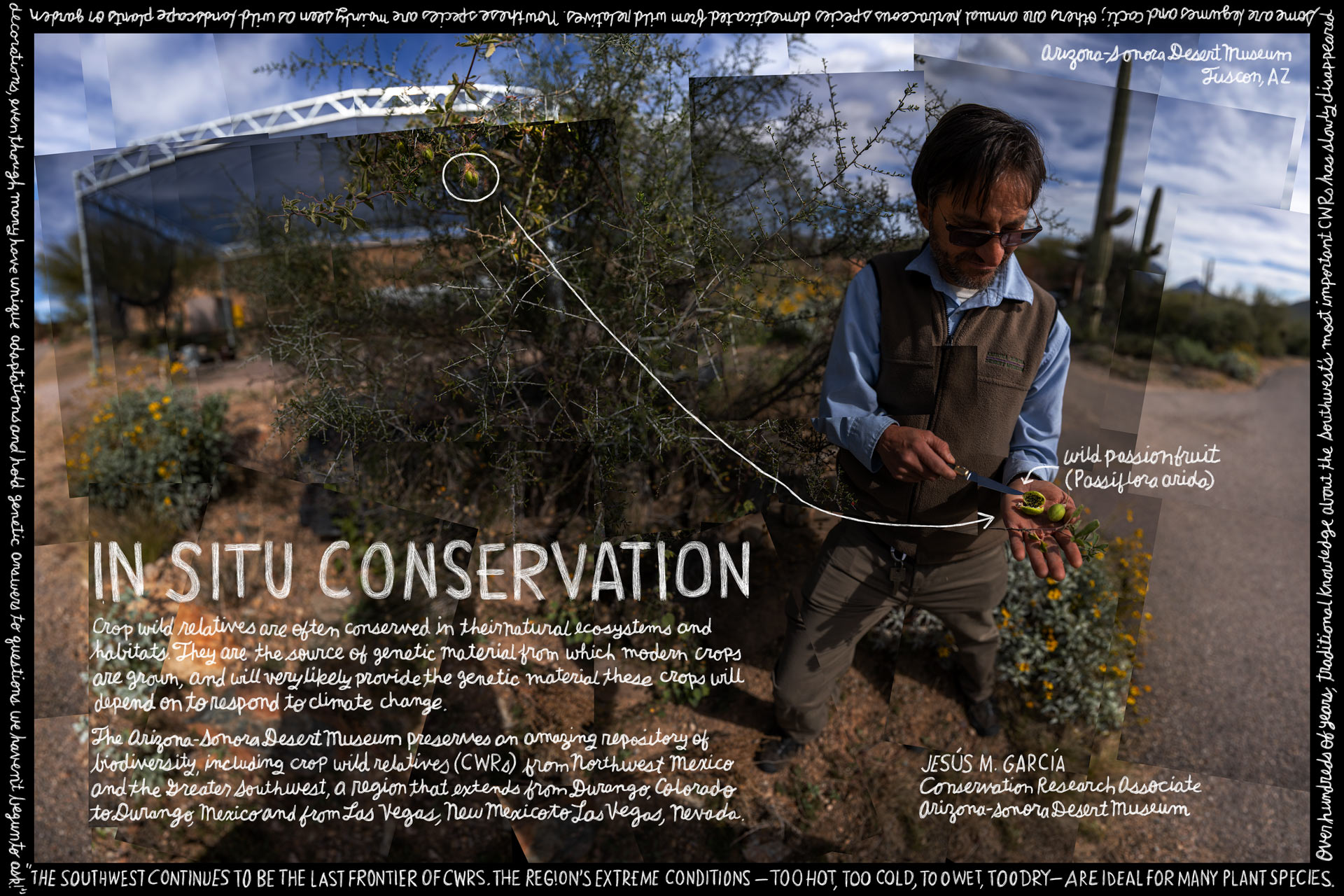
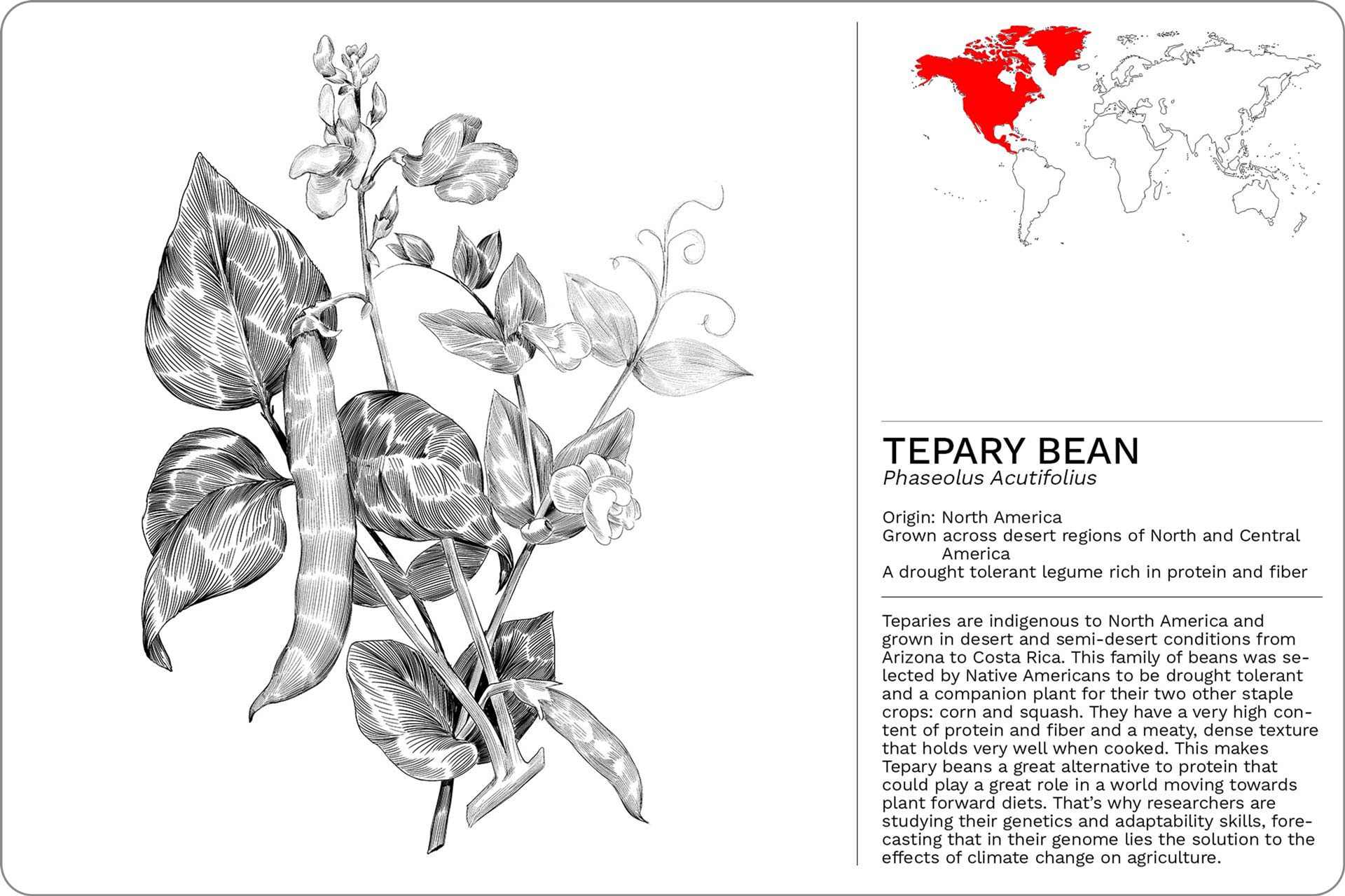
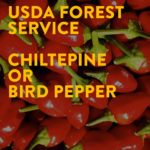
This is one of a handful of places in the US where wild chile peppers grow. They’re the ancestors of the planet’s most important condiment, the spice that provides nutrients, flavor, and pain-induced endorphins to cultures worldwide. This “crop wild relative” – known around here as chiltepin (Capsicum annuum var. glabriusculum) – occurs from right here in Arizona, all the way south to Brazil. We notice prehistoric potsherds and grindstones at our feet. Archeological and linguistic evidence suggests human use of species as far back as 6000 years ago, in what is now Oaxaca and Puebla, Mexico, where the plant was probably domesticated.
The hodgepodge of land managers, agricultural scientists, conservationists, and educators visiting the canyon with us want to see the wild relative growing in its natural habitat. We head downhill to one of the main washes that drains the area. There, on alluvial shelves, hidden under thorny trees, we find wild chiles. Compared to their domesticated kin, the plants are small and scruffy, especially at this time of year. They have just a few leaves and pea-sized fruits, awaiting the return of the rains to start growing again.