















































Tachibana
Citrus tachibana (Makino) Tanaka, Citrus reticulata tachibana
Origin: Japan
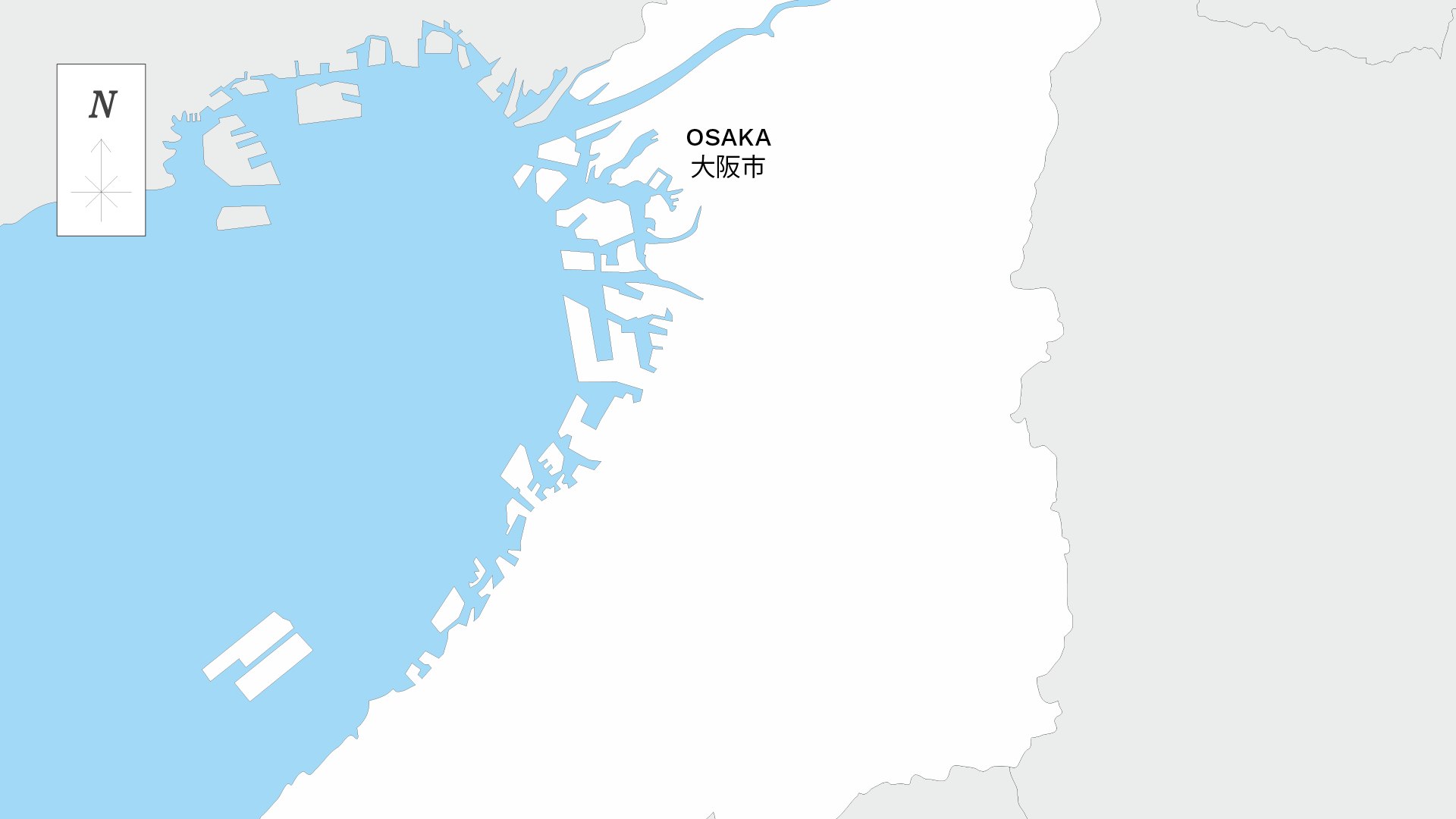
Grown: In rural, typically mountainous regions of Japan, particularly Shikoku, Mie, Nara.
Contains high amounts of nobiletin, a citrus flavonoid that purportedly improves memory impairment. High in antioxidants.
Referred to in English as ‘the tachibana orange,’ the hardy tachibana is one of only two citruses native to Japan, the other being the shequasar of subtropical, southernmost prefecture Okinawa (known as the Ryūkyū Kingdom prior to being informally annexed by Japan in 1609). They are at present on the Global Red List of Japanese Endangered Plants.
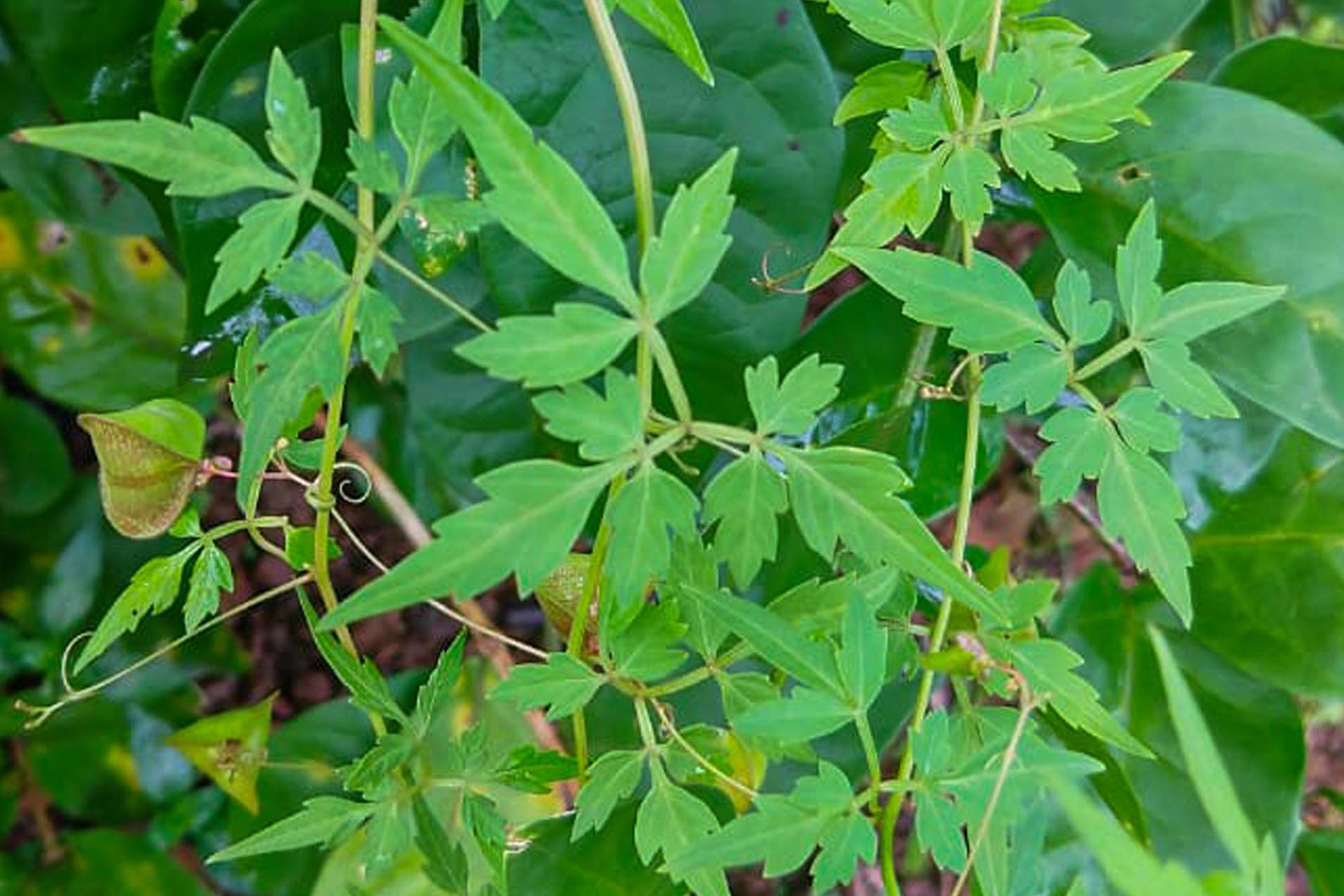
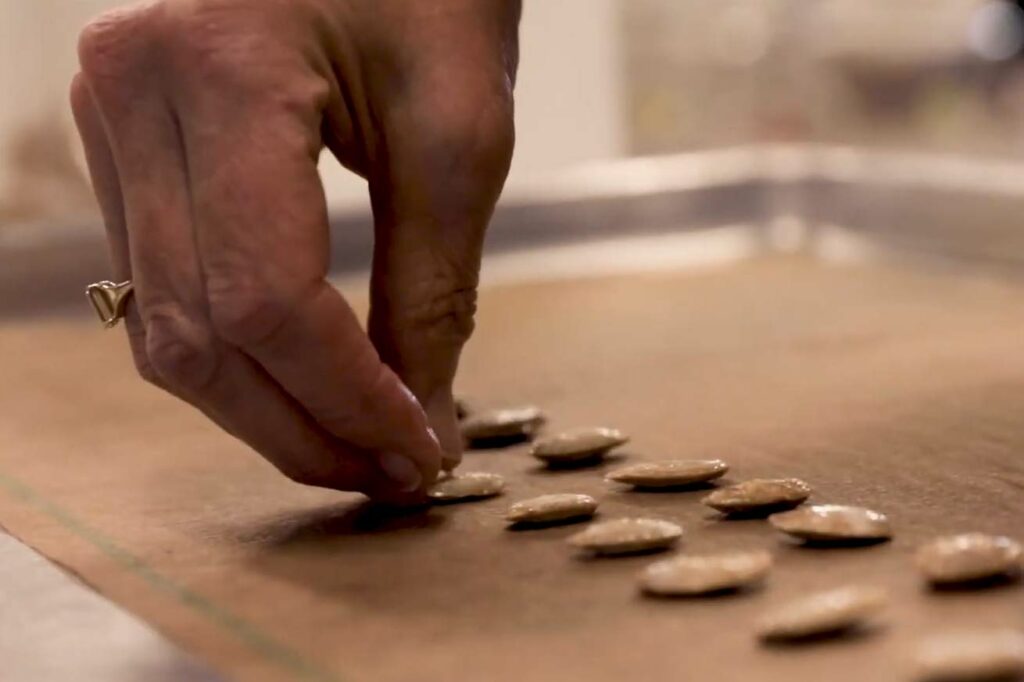
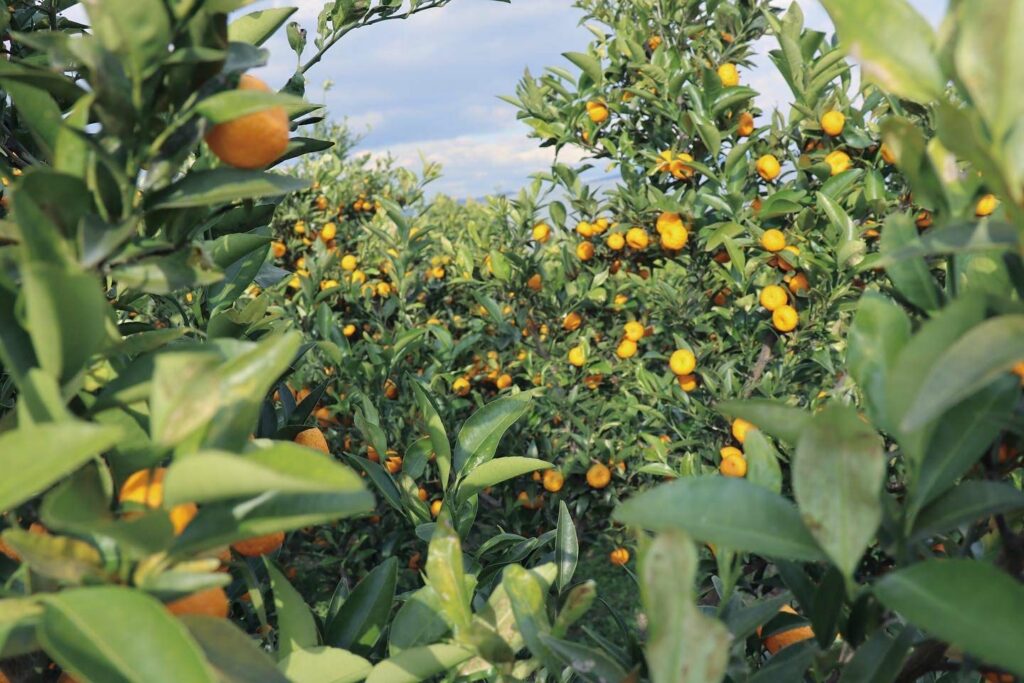
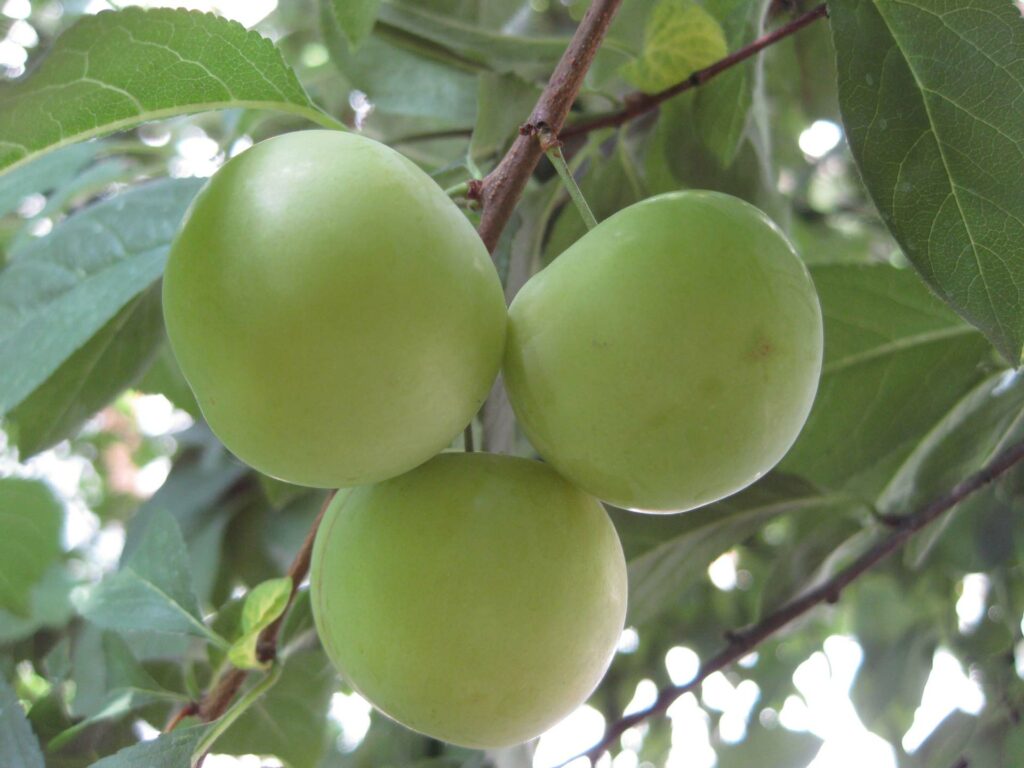
The frost-resistant trees can grow up to 10 feet tall, featuring bluntly toothed leaves and branches with needle-like thorns. Its flowers are small and white-petaled. The fruit is dark green at first, turning yellow in late autumn. With minimal care (and frequent weeding during the summer months) a single large tree can produce up to 25kg of fruit. An average tachibana has a lateral diameter of around 2–3cm, with 6–7 segments each containing 1–2 large seeds.
A 1990 paper published by the Japan Society of Horticultural Science, which analysed and compared tachibana with other mandarin cultivars introduced from China, established that it is a genetically heterogeneous citrus native to Japan. Their findings suggest that the tachibana was genetically isolated from other citrus populations in mainland China, and may have resulted from unique gene mutations or similar.
Once highly prized by Heian aristocrats over a millennia ago for its heady fragrance and presumed life-giving properties, it gradually fell out of favour with consumers, who have come to prefer sweeter, less-seeded citruses like mikan or yuzu introduced from other parts of East Asia, over the small and intensely bitter tachibana.
While tachibana still aren’t widely cultivated on a commercial scale, culinary interest in the tachibana is being revived thanks to the efforts of grassroots organisations in small towns across Japan, most notably the Nara Tachibana Project.